From Vibe Coding to Agentic Engineering
Vor einem Jahr sagte Andrej Karpathy allen, sie sollten sich den Vibes hingeben. Millionen taten es. Sie prompteten sich zu MVPs, Wochenendprojekten und Startup-Prototypen, bei denen 95% des Codes von einem LLM stammten.
Das Collins Dictionary kürte "Vibe Coding" zum Wort des Jahres 2025. Y Combinator berichtete, dass ein Viertel seines Winter-2025-Batches Codebases betrieb, die fast vollständig KI-generiert waren.
Dann kam der Kater.
Der Kater, mit dem niemand geplant hatte
Bis September 2025 schrieb Fast Company über Senior Engineers, die mit KI-generiertem Code in der Entwicklungshölle festsassen. Eine CodeRabbit-Analyse von 470 Open-Source-GitHub-Pull-Requests ergab, dass "KI-mitverfasster Code rund 1,7-mal mehr schwerwiegende Probleme enthielt als von Menschen geschriebener Code." Lovable, eine schwedische Vibe-Coding-Plattform, lieferte 170 Apps mit Sicherheitslücken aus, die personenbezogene Daten für jeden offenlegten, der hinsah.
Das Muster wiederholte sich überall: Ein Team vibe-codet einen Prototyp, Stakeholder werden begeistert, Engineers stehen vor der Wahl zwischen einem Neuaufbau mit ordentlicher Architektur oder dem Härten eines Prototyps, der nie für die Produktion gedacht war. Keines ist schnell. Keines ist günstig.
METR führte einen randomisierten kontrollierten Versuch mit erfahrenen Open-Source-Entwicklern durch. Das Ergebnis war brutal: Entwickler, die KI-Coding-Tools nutzten, waren 19% langsamer, obwohl sie vorhergesagt hatten, 24% schneller zu sein, und danach immer noch glaubten, 20% schneller gewesen zu sein. Die Vertrauenslücke zwischen wahrgenommener und tatsächlicher Leistung ist der gefährlichste Befund dieser Studie.
Das Problem war nie die KI
Hier liegen die meisten Einschätzungen falsch. Das Problem war nicht, dass die KI schlechten Code generierte. Das Problem war, dass die Leute das Engineering übersprangen.
Keine Architektur. Keine Spezifikationen. Keine Tests. Kein Review. Nur Prompts und Gebete.
Wie Addy Osmani von Google Cloud es formulierte: "Die KI hat das Problem nicht verursacht. Das Überspringen des Design Thinking hat es verursacht."
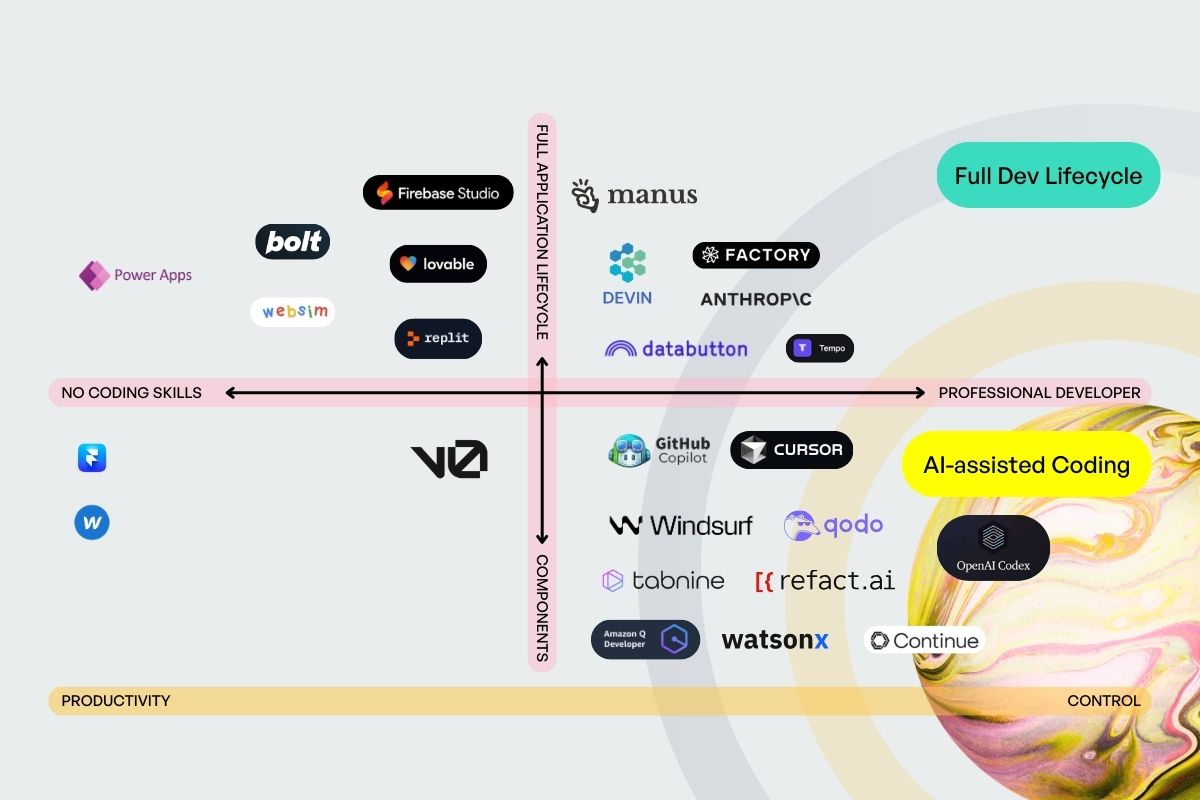
Ich habe das aus erster Hand erlebt. In meinem Artikel vom Februar 2025 über KI-gestütztes Coding zeichnete ich die Evolution von No-Code über Low-Code bis zur KI-gestützten Entwicklung nach. Die These war stimmig. KI lässt Engineers sich auf Architektur und Problemlösung konzentrieren statt auf repetitives Coding. Was ich unterschätzte, war, wie viele Leute den Engineer-Teil komplett überspringen würden.
Vibe Coding behandelte Software wie ein Gespräch. Tippe einen Prompt, erhalte eine App. Die Vibes waren grossartig. Der Code nicht.
Auftritt Agentic Engineering
Am 5. Februar 2026, exakt ein Jahr nach der Prägung von Vibe Coding, postete Karpathy ein Update. Der neue Begriff: Agentic Engineering.
A lot of people quote tweeted this as 1 year anniversary of vibe coding. Some retrospective - I've had a Twitter account for 17 years now (omg) and I still can't predict my tweet engagement basically at all. This was a shower of thoughts throwaway tweet that I just fired off… Andrej Karpathy (@karpathy) February 4, 2026
Seine Begründung: Agentic, weil Entwickler den meisten Code nicht mehr direkt schreiben. Sie orchestrieren Agenten und agieren als Supervisoren. Engineering, weil der Prozess weiterhin sowohl Kunst als auch Wissenschaft beinhaltet, Expertise erfordert und eine erlernbare Fähigkeit ist.
Das ist kein Rebranding. Es ist ein grundlegend anderes Betriebsmodell.
Beim Vibe Coding promptest und hoffst du. Beim Agentic Engineering planst, steuerst und reviewst du. Die KI übernimmt die repetitive Schwerstarbeit. Du verantwortest die Architektur, die Leitplanken und die Ergebnisse.
Anthropics 2026 Agentic Coding Trends Report beschreibt den Wandel: Teams verlassen sich nicht mehr auf einen einzelnen Coding-Assistenten, sondern auf eine Flotte von Agenten. Einer schreibt Code, einer generiert Tests, einer reviewt Änderungen, einer übernimmt das Deployment. Alles unter menschlicher Aufsicht. TELUS erstellte über 13.000 individuelle KI-Lösungen und lieferte Engineering-Code 30% schneller aus. Zapier erreichte 89% KI-Adoption in der gesamten Organisation mit über 800 intern eingesetzten Agenten.
Die Engineers, die florieren, sind nicht die schnellsten Prompter. Sie sind die klarsten Denker darüber, was sie bauen und warum.
Was sich tatsächlich geändert hat
Der Wandel vom Vibe Coding zum Agentic Engineering spiegelt ein Muster wider, das ich in jeder Tech-Welle der letzten zwei Jahrzehnte des Aufbaus von Software-Unternehmen gesehen habe.
Phase eins: Demokratisierungs-Euphorie. Jeder kann es. Die Barrieren sind weg.
Phase zwei: der Kater. Es stellt sich heraus, dass das Entfernen von Barrieren auch die Qualitätskontrollen entfernt hat.
Phase drei: Professionalisierung. Das Tool bleibt. Die Disziplin kehrt zurück.
Wir treten genau jetzt in Phase drei ein.
Dario Amodei schrieb im Januar 2026, dass "KI-Modelle so versiert im Coding geworden sind, dass einige der stärksten Engineers, die er kennt, fast ihre gesamte Coding-Arbeit an die KI übergeben." Aber, und das ist das entscheidende Aber, das sind starke Engineers. Sie wissen, was zu delegieren ist, was zu verifizieren ist und wann der Agent selbstbewusst falschliegt.
Meta veröffentlichte gerade Forschung zu Just-in-Time Tests. KI-generierte Tests, die spontan für jede Code-Änderung erstellt werden, weil traditionelle Test-Suites mit der Geschwindigkeit der agentischen Entwicklung nicht Schritt halten können. Die Test-Disziplin verschwand nicht. Sie entwickelte sich weiter.
Wo das Product Manager und Founder zurücklässt
Wenn du 2026 Software baust, ob als PM, Founder oder technischer Leader, dann zählt jetzt Folgendes.
Spezifikationen vor Prompts. Die Teams, die Wert aus Agentic Engineering ziehen, schreiben Design-Dokumente, bevor sie einen Coding-Agenten anfassen. Klare Specs führen zu besserem KI-Output. Vage Prompts führen zu vagem Code, der im Massstab bricht.
KI-Output ist standardmässig nicht vertrauenswürdig. Behandle jede KI-generierte Codezeile so, wie du einen Pull Request von einem Neuzugang behandeln würdest. Reviewe ihn, teste ihn, hinterfrage ihn. Automatisiertes Security-Scanning an jedem Integrationspunkt ist nicht optional.
Der Burggraben ist der Workflow, nicht das Modell. Intelligenz ist eine Commodity. Dein Produktwert lebt im Kontext, im State Management und in Trust-Layern, nicht darin, welches LLM du mietest. Wenn du die KI entfernst und ein Textfeld übrigbleibt, hast du eine Tabelle mit Extraschritten gebaut.
Die Rolle verschiebt sich vom Schreiben zum Orchestrieren. Product Manager, die Tools wie Claude Code nutzen, coden nicht. Sie untersuchen Codebases, synthetisieren Recherche und bauen wiederholbare Skills. Derselbe Wandel gilt fürs Engineering: weniger Tippen, mehr Denken.
Der Teil, in dem ich mir selbst widerspreche
Vibe Coding ist nicht tot. Und das sollte es auch nicht sein.
Für persönliche Tools, interne Dashboards, Prototypen, die nie die Produktion sehen, ist es immer noch brillant, sich an einem Nachmittag zu einer funktionierenden App zu prompten. Die Software für einen einzigen Anwendungsfall ist real und wertvoll.
Der Fehler war, eine Prototyping-Technik als Produktionsmethodik zu behandeln. Ein Hackathon-Mindset, angewandt auf Enterprise-Software. Dort brach es zusammen.
Agentic Engineering tötet den Vibe nicht. Es setzt den Vibe in ein Framework, das tatsächlich ausliefert.
Was als Nächstes kommt
Die Evolutionslinie ist klar: No-Code, Low-Code, KI-gestütztes Coding, Vibe Coding, Agentic Engineering. Jeder Schritt gab mehr Menschen mehr Macht zum Bauen. Jeder Schritt schuf auch eine neue Kategorie von Problemen, die nur Disziplin lösen konnte.
Die Organisationen, die 2026 vorpreschen, entfernen Engineers nicht aus dem Loop. Sie sorgen dafür, dass Engineering-Expertise dort zählt, wo es am wichtigsten ist: Architektur, Sicherheit, Systemdesign. Die Agenten übernehmen die Implementierung.
Die Frage für dein Team ist nicht, ob KI für die Entwicklung eingesetzt werden soll. Diese Debatte ist vorbei.
Die Frage ist, ob du vibest oder Engineering betreibst.
Eines davon skaliert. Das andere generiert Beratungsrechnungen für die Aufräumarbeiten.
Serial Entrepreneur, Autor
Marc ist Serial Entrepreneur. Mit 16 hat er sein erstes Software-Unternehmen gestartet. Seither dieselbe Schnittstelle: Software Product Management trifft Go-to-Market. Er baut die Brücke: Product × GTM × AI, als ein System, nicht als drei Abteilungen. Wenn er nicht baut, fliegt er Gleitschirm.