
Iper-personalizzazione: rilevante per ogni singolo cliente
·
Un nome di battesimo nell'oggetto non è personalizzazione. È decorazione. Eppure mezzo mondo B2B la chiama iper-personalizzazione quando il software infila nome, azienda e settore in un template. I tuoi compratori notano la differenza all'istante: un "Ciao Sandra" davanti a un testo andato ad altri mille non sembra personale. Sembra una stampa unione con un software migliore.
Il punto è che oggi la tecnologia sa fare molto di più. Contenuti e outreach possono adattarsi a ogni singolo prospect, in automatico e comunque su scala. Esempi diversi per la manifattura rispetto alle banche, parole diverse per il CEO rispetto allo sviluppatore. Una volta era artigianato per casi speciali. Con l'AI diventa lo standard, ma solo per le aziende i cui dati lo reggono.
Questa pagina è la guida al tema per i team B2B: cosa significa davvero iper-personalizzazione, perché la rilevanza conta di più, quali dati ti servono, come usare i segnali e dove la protezione dei dati mette il limite. Scritta per founder e responsabili marketing e sales che vogliono più rilevanza senza costruire un mostro di dati.
Ho seguito più di 100 aziende tech B2B e ho visto il teatrino della personalizzazione in ogni variante: pacchetti di dati comprati, template con 5 segnaposto, tool che assemblano icebreaker personali dai profili LinkedIn. Poco di tutto questo ha funzionato. Quello che funzionava era quasi sempre lo stesso: l'azienda giusta, il problema giusto, il momento giusto.
Cosa impari
- La scala dai segnaposto all'adattamento vero, e dove si trova oggi la tua azienda.
- I 3 presupposti: profilo cliente ideale, una base dati clienti condivisa, contenuti in varianti.
- Come riconoscere il momento giusto dai segnali, in modo legalmente pulito.
- Una bussola per messaggi che colpiscono insieme la persona e l'azienda.
La tesi: la rilevanza batte la personalizzazione
La rilevanza batte la personalizzazione, e la rilevanza nasce da dati, segnali e timing. È la tesi di questa pagina. Un nome di battesimo compilato non è rilevanza. Un messaggio diventa rilevante grazie al contesto, quando centra il problema attuale di chi lo riceve. Un messaggio spoglio sul problema giusto batte qualsiasi messaggio personalizzato con cura sul tema sbagliato. È il limite onesto di ogni tecnica di personalizzazione.
Nella pratica significa: investi prima su destinatari e offerta, poi sulle parole. Un messaggio all'azienda giusta nel momento giusto perdona parole deboli. Al contrario, nessuna frase di apertura, per quanto personale, salva un outreach che manca il problema. La personalizzazione è un amplificatore, non un sostituto della sostanza. La versione breve subito: la personalizzazione è la ricompensa per fondamenta pulite, non il primo passo. Il resto di questa pagina è la dimostrazione, dalla definizione fino alla bussola che alla fine tiene insieme tutto.
Cos'è l'iper-personalizzazione nel B2B?
L'adattamento vero di contenuti, esempi, argomenti e timing al singolo destinatario, con dati e AI dietro. È il gradino più alto di una scala, e la maggior parte delle aziende sta ancora in fondo, con i segnaposto compilati. La differenza decide se il tuo outreach funziona o infastidisce.
La scala nel dettaglio:
- Gradino 1, segnaposto: nome, azienda e settore vengono inseriti in un template. È cosmetica, non adattamento.
- Gradino 2, segmenti: una versione per settore o ruolo. Meglio, ma ancora grossolano.
- Gradino 3, adattamento vero: contenuti, esempi, argomenti e timing seguono la situazione del singolo destinatario. Questa è l'iper-personalizzazione.
Nella pratica funziona così: l'ingegnere della manifattura visita il tuo sito e vede il case study dalla produzione, il bancario vede il caso dei servizi finanziari. La stessa logica vale per email, offerte e preparazione delle conversazioni. L'obiettivo non è avere più messaggi, è averne di più calzanti.
Le basi sono in come funziona il marketing iper-personalizzato nel B2B: contenuti che si adattano a settore, ruolo e comportamento del visitatore, invece di un sito uguale per tutti. L'ordine conta: prima le fondamenta, poi l'adattamento su scala.
Gli errori più frequenti su questa scala, così te li risparmi:
- Scambiare i segnaposto per personalizzazione: un nome di battesimo nell'oggetto è decorazione, non rilevanza.
- Usare dettagli personali che nessuno si aspetta: risulta invadente, non attento.
- Personalizzare senza un profilo cliente ideale: il risultato è rumore più educato, su scala.
- Volere tutto insieme: prima un segmento e un caso d'uso, poi scali.
Quali dati servono all'iper-personalizzazione?
Tre cose: un profilo cliente ideale chiaro, una base dati clienti tenuta bene e contenuti in varianti combinabili. Il singolare conta: una base dati condivisa, non cinque liste in cinque tool. Se ne manca una, la personalizzazione sembra casuale.
La personalizzazione vale quanto le conoscenze che ha dietro, e personalizzare senza sapere per chi produce solo rumore più educato. Tre articoli coprono queste fondamenta: dati dei clienti per il sales B2B mostra come dati sparsi diventano conoscenza utilizzabile, in modo legalmente pulito. La strategia dati con il CRM fa in modo che tutti lavorino sulla stessa verità. CRM sta per customer relationship management, il sistema dove confluiscono tutte le informazioni sui clienti. E Lead Research e ICP risponde alla domanda che viene prima: chi vogliamo raggiungere? ICP significa ideal customer profile, il profilo del tuo cliente target.
Perché i dati restino curati nel lavoro quotidiano, ti serve un sistema di gestione delle relazioni con i clienti impostato bene, in cui nessun contatto scivoli via. Il terzo mattone è il più sottovalutato: i contenuti in varianti. Un messaggio centrale, più esempi, prove e formulazioni per settore e ruolo, costruiti in modo da combinarsi in pagine e messaggi coerenti. Senza quel kit, la migliore base dati non ha niente da giocarsi.
Come riconosci il momento giusto?
Dai segnali, cioè dalle reazioni vere ai tuoi contenuti e dai cambiamenti nell'azienda target. Tre reazioni vere ai tuoi contenuti dicono più sull'intenzione d'acquisto di qualsiasi pacchetto di dati comprato. Per questo l'iper-personalizzazione include sempre l'ascolto: cogliere i segnali, trovare il momento giusto e diventare personale esattamente in quel momento.
Tra questi segnali:
- Qualcuno risponde al tuo post o alla tua email con una domanda vera.
- Un'azienda visita più volte le tue pagine prezzi o prodotto.
- Il tuo cliente target sta assumendo proprio per il problema che risolvi.
- Un nuovo responsabile prende in mano l'area in cui gioca il tuo prodotto.
Il timing è la parte più sottovalutata della rilevanza. Lo stesso messaggio ignorato a gennaio apre porte a giugno, perché nel frattempo è partito un progetto. I segnali sono il tuo unico accesso a quel timing, a meno che tu non voglia tirare a indovinare.
Una regola pratica aiuta a metterli in ordine: un segnale è un'ipotesi, cinque sono uno schema. Se diventi personale solo davanti allo schema, risulti attento, non insistente. E la via d'ingresso più calda resta che ti conoscano prima che tu scriva, come racconto in founder-led content. Come lavorare in modo sistematico con questi segnali d'acquisto è raccolto nell'hub Signal-based Selling.
Protezione dei dati in parole semplici: canali tuoi, dati puliti, scopo chiaro
L'iper-personalizzazione è compatibile con la protezione dei dati se lavori con dati aziendali raccolti in modo pulito e con i comportamenti sui tuoi canali, invece di comprare pacchetti di dati. Ne fanno parte trasparenza e uno scopo chiaro: chi riceve deve poter capire perché vede quello che vede. Nella pratica: i tuoi form dicono a cosa servono i dati, e per ogni adattamento sai indicare una fonte. Se ti tieni a questo, personalizzi per i tuoi clienti, non contro di loro.
Nel mercato di lingua tedesca si aggiunge il contesto legale: in Germania e Austria l'email di massa a freddo richiede in genere il consenso, e anche la legge svizzera sulla concorrenza sleale pone dei limiti. Per una buona personalizzazione non è uno svantaggio, anzi. Costruire su canali tuoi, segnali veri e rilevanza pulita a livello di azienda è insieme più sicuro sul piano legale e più efficace. Del resto l'effetto arriva soprattutto dall'adattamento a settore e ruolo, non dai dettagli personali.
La bussola: impatto per la persona, impatto per l'azienda
Lo strumento più forte per messaggi rilevanti non è un software, è una distinzione. La fornisce Jacco van der Kooij in The SaaS Sales Method: l'impatto emotivo giova prima di tutto a una persona, l'impatto razionale giova prima di tutto all'azienda. Una buona personalizzazione serve entrambi i livelli in modo consapevole. Il CEO vuole il rischio sotto controllo e vuole reggere davanti al board. Lo sviluppatore vuole smettere di essere svegliato la notte dagli incidenti. Stessa azienda, stesso prodotto, due messaggi diversi. Scambiare segnaposto non raggiunge nessuno dei due livelli.
Questa bussola trasforma i dati in messaggi. Il profilo cliente ideale ti dice quale azienda. I segnali ti dicono quando. La bussola ti dice cosa: quale dolore occupa la persona e quali numeri devono convincere l'azienda. Solo questa terza domanda trasforma l'adattamento tecnico in rilevanza vera.
E cosa cambia l'AI in tutto questo? Rende standard l'adattamento su scala. Scrivere varianti, sostituire esempi, riconoscere schemi nei segnali: è artigianato che oggi gli assistenti AI si prendono in carico. Ma solo su fondamenta pulite. L'AI amplifica quello che c'è. Dove mancano le fondamenta, amplifica solo il rumore. In concreto l'AI sposta tre cose. Primo, la quantità: le varianti per ogni settore e ruolo non sono più una settimana di lavoro, ma un incarico per un assistente. Secondo, il timing: gli schemi nei segnali arrivano all'attenzione della macchina prima di quanto permetta un calendario pieno. Terzo, la misurabilità: quale variante innesca conversazioni lo vedi di continuo, invece che a fine trimestre. Quello che resta uguale: destinatari, messaggio centrale e giudizio restano tuoi.
Perché tutto questo regga nel quotidiano, ti servono assistenti guidati, non lasciati correre alla cieca. Cosa significa per i team lo mostrano From vibe coding to agentic engineering e agentic engineering nel mid-market DACH: la tecnologia è raramente il problema, decidono leadership e cultura. Come personalizzazione e automazione si incontrano nell'operatività quotidiana è organizzato nell'hub Marketing & Sales Automation.
Il mio verdetto sul teatrino della personalizzazione
✅ Cosa brilla: l'adattamento su fondamenta pulite: un profilo cliente ideale chiaro, una base dati condivisa, contenuti in varianti, giocati nel momento giusto. Questo produce in modo misurabile più conversazioni vere.
❌ Cosa non brilla: la tecnologia di personalizzazione su fondamenta deboli. Senza un profilo cliente ideale e dati tenuti bene, anche il tool migliore produce solo rumore più educato.
⚠️ Attenzione: i dettagli personali che nessuno si aspetta scivolano da attento a invadente. Resta sulla rilevanza a livello di azienda, sui tuoi canali e sui segnali che il destinatario ha lasciato lui stesso.
L'inizio non deve essere grande: un segmento, un caso d'uso, una metrica. Per esempio una pagina importante in varianti per settore, oppure la preparazione personalizzata dei meeting per i tuoi clienti target più importanti. Se questo produce più conversazioni vere, sai che le fondamenta reggono e puoi allargare. Il che ci riporta al nome di battesimo nell'oggetto: non è mai stato quello il problema. Il problema è quello che viene dopo. La rilevanza non si inserisce in un template, la costruisci da dati, segnali e timing. Se preferisci costruire sistemi così passo dopo passo, ricevi i miei appunti dal campo nella newsletter.
Qui sotto trovi tutti gli articoli sul tema, ognuno descritto in parole semplici.
Tutti gli articoli su questo tema

Usare i dati dei clienti per le vendite B2B: una guida
I dati da soli non valgono niente se nessuno sa leggerli. Come trasformare dati clienti sparsi in conoscenza utilizzabile, in modo pulito e conforme alla legge.

Lead research e ICP: la prima fase di costruzione di ogni team GTM
Prima di scrivere una sola email, decidi: chi vogliamo come cliente e da cosa lo riconosciamo? È il primo mattone di ogni sistema di vendita.
Agentic engineering: perché il mid-market DACH è fermo al primo passo
Ricostruire lo sviluppo software attorno agli assistenti AI: le aziende del mid-market raramente inciampano sulla tecnologia, inciampano su leadership e cultura.

Founder-led content: il vantaggio GTM che nessuno può copiare
Nessuno risponde agli sconosciuti. Quando i compratori ti conoscono già dai tuoi post, i tassi di risposta salgono. Perché la tua faccia è l'unico vantaggio che nessuno può copiare.
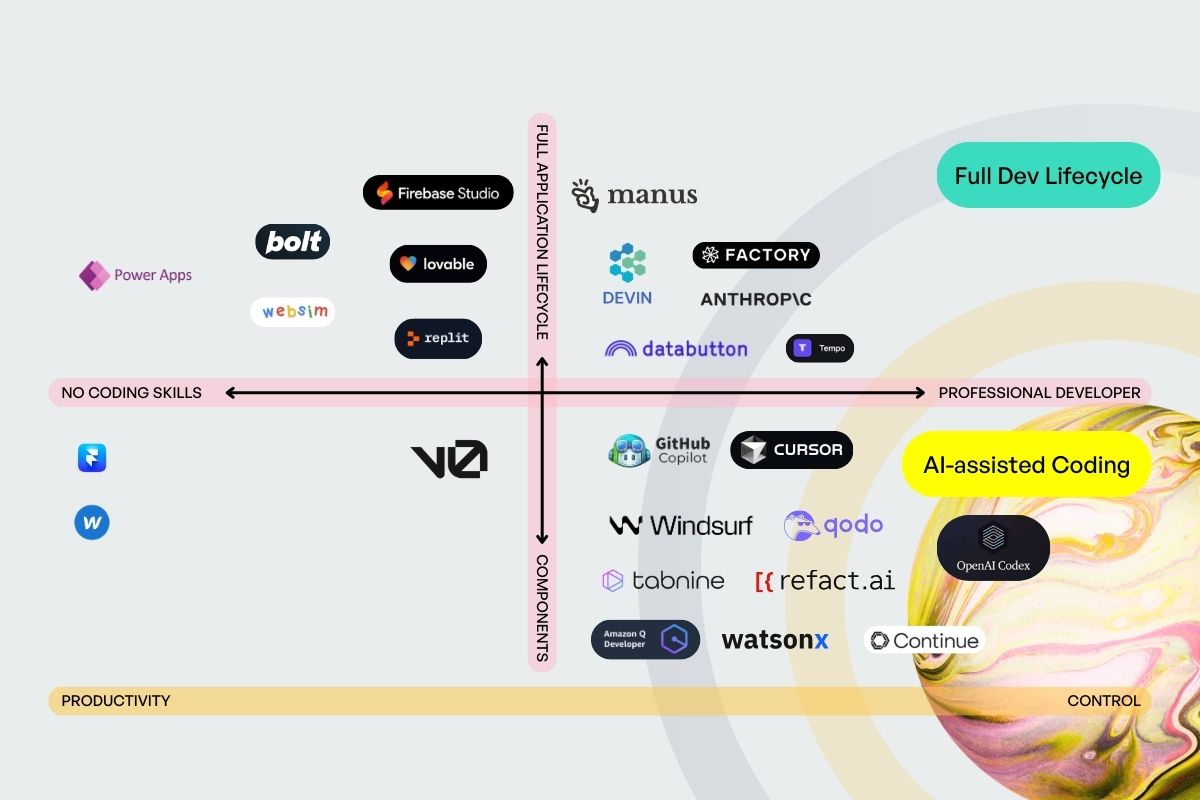
Dal vibe coding all'agentic engineering
Programmare a sentimento con l'AI ha lasciato una sbornia: codice insicuro, team più lenti. Adesso conta guidare gli assistenti AI invece di fidarsi ciecamente.

L'alpinista / Articolo su Swiss IT Reseller
Ritratto su Swiss IT Reseller: perché ho mandato team di sviluppo sulle Alpi svizzere per sprint di lavoro concentrati.

Strategia dati e CRM per aziende B2B: la guida
Tutti dicono che i dati dei clienti contano, quasi nessuno ha un piano. I tre pilastri che trasformano i tuoi dati in decisioni invece che in archivio.

Come funziona l'iper-personalizzazione nel B2B?
Il tuo sito si adatta a ogni visitatore in automatico: esempi diversi, parole diverse, stesso nucleo. Come funziona nel B2B.

Come implementare il Customer Relationship Management (CRM) nelle aziende B2B
Senza un sistema per le relazioni con i clienti, i contatti di valore ti scivolano via. Come portare ogni contatto passo dopo passo alla chiusura.
Domande frequenti
Cosa distingue l'iper-personalizzazione dalla personalizzazione normale?
La personalizzazione normale riempie segnaposto: nome, azienda, settore. L'iper-personalizzazione adatta davvero contenuti e outreach: esempi diversi, argomenti diversi, timing diverso, con dati e AI dietro. L'obiettivo è la rilevanza, non la decorazione.
È compatibile con la protezione dei dati?
Sì, se lavori con dati aziendali raccolti in modo pulito e con i comportamenti sui tuoi canali, invece di comprare dati. Contano la trasparenza e uno scopo chiaro. Del resto l'effetto arriva soprattutto dall'adattamento a settore e ruolo, non dai dettagli personali.
Cosa mi serve avere pronto?
Tre cose: un profilo cliente ideale chiaro, una base dati clienti tenuta bene e contenuti in varianti combinabili. Se ne manca una, la personalizzazione sembra casuale. Quindi prima le fondamenta, poi l'adattamento su scala.
Da dove comincio in concreto con l'iper-personalizzazione?
Da un segmento e un caso d'uso: per esempio una pagina importante o un messaggio in varianti per settore e ruolo. La base è un profilo cliente ideale chiaro e dati puliti. Misura le reazioni vere, come risposte e conversazioni, e allarga solo quando il primo caso regge.
Come misuro se la personalizzazione funziona?
Dalle reazioni vere: risposte, domande di approfondimento, conversazioni fissate e il fatturato che ne esce. Tassi di apertura e clic ingannano facilmente. Se i contenuti adattati innescano più conversazioni serie della versione uguale per tutti, la tua personalizzazione funziona.