
Signal-based Selling : vendre quand le moment est le bon
·
Ta boîte mail ce matin : pleine de messages envoyés à tout le monde et destinés à personne. Depuis que l'IA a rendu l'écriture quasi gratuite, toutes les boîtes débordent, et les seuls messages qui passent encore sont ceux qui ont une raison d'être. C'est ça, le signal-based selling : tu contactes des clients potentiels quand des signes visibles indiquent qu'ils ont ton problème en ce moment.
Ces signes s'appellent des signaux : un nouveau dirigeant arrive, une entreprise recrute sur certains postes, quelqu'un interagit plusieurs fois avec ton contenu. Au lieu d'écrire à mille inconnus, tu te concentres sur les vingt entreprises où le moment est le bon.
Ce n'est pas une question de politesse, c'est une stratégie de survie. Quand n'importe quelle entreprise peut produire des messages à l'infini, ce n'est plus le volume qui décide, c'est le déclencheur. Continue à travailler des listes et tu te bats contre des machines pour une attention qui n'existe plus. Lis les signaux et tu es le seul à te présenter au bon moment.
Comme CCO, c'est-à-dire le dirigeant responsable du marketing et des ventes, j'ai codirigé une entreprise de plusieurs centaines de personnes. Je sais de première main combien de prise de contact produit une organisation commerciale de cette taille, et le peu qui atterrit. Ce guide s'adresse aux fondateurs et aux responsables commerciaux dans les entreprises de logiciels B2B. Pour eux, le signal-based selling n'est pas une tendance mais la réponse logique à deux évolutions : l'outbound de masse perd en efficacité dans les faits, et juridiquement il n'a de toute façon jamais été propre dans la région DACH. Cette page explique le principe pas à pas et mène à tous les articles que j'ai écrits dessus.
Ce que tu vas apprendre
- Ce qui compte comme signal d'achat et ce qui n'en est pas un, de tes propres canaux aux sources publiques
- Pourquoi des signaux empilés battent n'importe quelle liste achetée et n'importe quel pack d'intent data
- Comment démarrer en 4 étapes, du profil client idéal à la réaction en quelques jours
- Pourquoi le droit et la culture dans la région DACH ne freinent pas ce chemin mais l'imposent
Le signal-based selling veut dire que les deals se font au bon moment, et ce moment se repère aux signaux, pas aux listes
C'est la thèse de ce guide. Une liste te dit qui existe. Un signal te dit qui bouge maintenant. Seul le second justifie un message qui ne ressemble pas à une interruption. Je déroule la démonstration pas à pas : de la définition à la comparaison avec les listes et l'intent data, jusqu'au droit et à ta propre visibilité, là où t'attend l'argument le plus fort.
Qu'est-ce qui compte comme signal d'achat, et qu'est-ce qui n'en est pas un?
Un signal d'achat est un événement observable qui montre que le problème que tu résous devient urgent dans une entreprise en ce moment. Il en existe deux sortes : les signaux first-party issus de tes propres canaux et les signaux publics issus de sources librement accessibles. Tu peux repérer les deux sans acheter de données.
Les signaux first-party apparaissent là où tu mesures toi-même : quelqu'un visite ta page tarifs plusieurs fois, télécharge un guide, répond à ta newsletter ou réagit plus d'une fois à tes posts. Ce sont les signaux les plus précieux, parce qu'ils montrent une personne avec un nom et se rapportent directement à ton offre.
Les signaux publics sont visibles par tout le monde : une entreprise publie certaines offres d'emploi, un nouveau dirigeant arrive, une levée de fonds est annoncée, un changement de technologie se prépare, un nouveau site ouvre. Pris isolément, ils sont plus faibles que les signaux first-party, mais ils existent pour chaque entreprise cible.
Les attributs statiques comme le secteur ou la taille de l'entreprise ne sont pas des signaux. Ils appartiennent au profil client idéal et changent rarement. Un signal porte toujours un horodatage : c'est arrivé, et c'est arrivé maintenant.
Pourquoi les signaux comptent plus que les listes
L'outbound de masse ne fonctionne plus, ni juridiquement ni en pratique. Depuis que l'IA a rendu l'écriture de messages quasi gratuite, toutes les boîtes mail sont pleines et les taux de réponse continuent de baisser. Ce qui passe encore, ce sont les messages pertinents au bon moment. Pourquoi, tu le liras dans L'IA est en train de tuer l'outbound. Un signal isolé n'est qu'une supposition. Plusieurs signaux ensemble forment un motif sur lequel il vaut la peine d'agir : un changement de direction, plus des offres d'emploi qui collent, plus des réactions à ton contenu en disent plus que n'importe quel fichier d'adresses acheté. Une petite entreprise avec cinq signaux bat le grand groupe qui n'en a aucun.
Cet empilement a un nom dans le métier : le signal stacking. Tu classes tes entreprises cibles non par taille ou par logo, mais par densité de signaux, c'est-à-dire le nombre de signes indépendants qui pointent vers le même problème sur la même période. Priorise comme ça et tu écris moins de messages tout en ayant plus de conversations, parce que chaque message a une vraie raison d'être.
Quelle différence entre le signal-based selling, l'intent data et l'outbound à froid?
L'outbound à froid écrit à des inconnus tirés d'une liste. L'intent data achetée devine, à partir d'un comportement de navigation anonyme, quelles entreprises pourraient s'intéresser à un sujet. Le signal-based selling répond à des événements concrets et vérifiables que tu peux nommer dans ton message. La différence : causalité au lieu de corrélation.
L'intent data a l'air tentante : un fournisseur te dit qu'une entreprise se renseignerait sur ton sujet. Mais tu ne vois ni qui ni pourquoi, et tu ne peux pas le vérifier. Un vrai signal, tu peux le montrer du doigt : l'offre d'emploi, l'arrivée du nouveau dirigeant, la réaction à ton post. Jacco van der Kooij a un exemple parlant là-dessus dans la SaaS Sales Method : le CTO achète après un incident de sécurité, pas parce qu'il travaille dans une banque.
Et la différence avec l'outbound à froid? Celui-ci part de ton objectif de vente et d'une liste. Le signal-based selling part d'un événement chez le client. C'est pour ça que le message se lit différemment : il part du déclencheur du destinataire et explique pourquoi tu écris maintenant.
Le socle : savoir qui tu cherches
Les signaux ne servent à rien si tu ne sais pas où regarder. Tout commence donc par le profil client idéal : qui veut-on, et comment le reconnaît-on? C'est la phase un de toute construction commerciale, décrite dans Lead research et ICP. Ensuite, la science aide : Mark Roberge montre dans The Science of Scaling comment construire des indicateurs avancés à partir de tes propres chiffres, au lieu d'attendre des indicateurs retardés comme le chiffre d'affaires. Et Jacco van der Kooij appelle le principe causation-based outreach dans la SaaS Sales Method : tu écris à quelqu'un parce qu'un événement a rendu son problème urgent, pas parce qu'il figure sur une liste.
La façon de penser de Roberge se transpose directement au pipeline, c'est-à-dire la somme de tes opportunités de vente réalistes. Le chiffre d'affaires est un indicateur retardé : quand il manque, le trimestre est déjà perdu. Les signaux sont des indicateurs avancés : ils montrent des semaines plus tôt si assez d'entreprises pertinentes bougent. Compte donc chaque semaine chez combien d'entreprises cibles les signaux s'empilent. Ce seul chiffre t'en dit plus sur le trimestre prochain que n'importe quelle prévision de chiffre d'affaires.
Comment démarrer avec le signal-based selling?
En 4 étapes : définis ton profil client idéal, choisis 3 à 5 signaux observables, crée un seul endroit où ils se rassemblent, et réagis en quelques jours plutôt qu'en quelques semaines. Tu n'as besoin ni d'une nouvelle équipe ni d'un gros budget pour ça.
- Affûte le profil client idéal. Sans profil clair, tu observes tout le marché et tu ne vois rien. Décide quelles entreprises comptent et comment tu les reconnais.
- Choisis 3 à 5 signaux. Ne prends que des signaux que tu peux vraiment observer : offres d'emploi, changements de direction, visites du site, réactions aux posts. Mieux vaut quelques-uns fiables que dix théoriques.
- Crée un seul endroit. Des signaux éparpillés entre boîtes mail et onglets de navigateur meurent. Rassemble-les dans le CRM, ta base de données clients centrale, comme décrit dans le guide sur la gestion de la relation client. Le plan derrière vient de la stratégie de données pour ton CRM.
- Agis en quelques jours. Les signaux vieillissent vite. Un nouveau dirigeant réorganise beaucoup dans les premières semaines, après ça le train est parti. Définis le chemin du signal au message comme un ordre de travail clair qu'un humain et un assistant IA peuvent exécuter sans poser de questions.
Les assistants IA sont utiles pour la surveillance : ils lisent les sites d'emploi, l'actualité et les données de ton site plus vite que n'importe quel humain. Mais dirige-les au lieu de leur faire aveuglément confiance, sinon tu auras la gueule de bois décrite dans De vibe coding à agentic engineering. Que ces chantiers échouent rarement sur la technique et le plus souvent sur le management et la culture, c'est ce que montre Agentic Engineering dans les PME et ETI de la région DACH. Et comment ajuster le message précisément au déclencheur, c'est approfondi dans le hub hyper-personnalisation.
Le cold email est-il seulement autorisé dans la région DACH?
La plupart du temps non, pas sans consentement. En Allemagne et en Autriche, un e-mail publicitaire exige en général l'accord préalable du destinataire, même entre entreprises. En Suisse, le droit de la concurrence déloyale encadre étroitement la publicité de masse non sollicitée. Les playbooks américains avec des milliers de cold emails par mois ne se copient tout simplement pas ici.
C'est exactement ce qui fait du signal-based selling le chemin défendable dans la région DACH. Tu travailles avec des informations d'entreprise publiquement accessibles et avec des réactions sur tes propres canaux. Tu envoies peu de messages bien fondés au lieu de beaucoup de messages anonymes. Et tu peux toujours expliquer pourquoi tu prends contact. Dès 2018, van der Kooij notait que les acheteurs européens trouvent intrusives les relances insistantes à l'américaine. Ici, le droit et la culture pointent dans la même direction.
Le signal le plus fort : quelqu'un te connaît déjà
Le signal le plus fort, c'est que quelqu'un te connaisse déjà. Les gens qui lisent tes posts répondent bien plus souvent. C'est pour ça que ton propre contenu et la logique des signaux vont ensemble : le founder-led content crée la chaleur, les signaux te disent quand frapper à la porte. Comment les deux moteurs s'imbriquent, c'est dans Inbound vs Outbound.
Le founder-led content produit aussi les signaux les plus forts qui soient. Celui qui commente ton post, te suit ou télécharge ton guide se signale de lui-même, avec son nom et sa fonction. Une poignée de vraies réactions à ton contenu en dit plus que n'importe quelle liste d'intent achetée. Ce jeu entre ta propre visibilité et une prise de contact ciblée a son nom et son hub : inbound-led outbound.
Droit, culture et visibilité propre s'additionnent en l'argument le plus fort : le signal-based selling est le seul chemin défendable sur la durée dans la région DACH. Le contenu attire les bonnes personnes, leurs réactions sont des signaux de première classe, et chaque message a un déclencheur vérifiable. Un playbook de mille cold emails peut être stoppé ici à tout moment, juridiquement et culturellement. Un système bâti sur tes propres signaux, personne ne peut l'arrêter.
Bilan honnête : ce que les signaux font et ne font pas
✅ Ce qui brille : peu de messages bien fondés, avec un fort taux de réussite. Ton équipe commerciale parle à des entreprises qui bougent en ce moment, peut justifier chaque prise de contact et reste du bon côté du droit et de la décence.
❌ Ce qui ne brille pas : le volume à la demande. Il n'y a que le nombre de signaux que ton marché produit. S'il te faut cent premiers rendez-vous ce mois-ci, tu ne les trouveras pas dans les signaux, et tu ne les trouveras nulle part.
⚠️ Attention : un signal isolé est une supposition, pas une intention d'achat. Appelle après chaque visite du site et tu passes pour un lourd, pas pour quelqu'un de pertinent. Attends le motif, c'est-à-dire plusieurs signes indépendants sur la même période.
Retour à la boîte mail du début : elle ne se videra pas, au contraire. Et c'est justement ta chance. Plus les autres produisent du bruit, plus le seul message avec un vrai déclencheur frappe fort. Le signal-based selling n'est donc pas une tactique pour faire du meilleur outbound à froid. C'est le remplacement de l'outbound à froid comme jeu de volume, bâti sur le timing au lieu du volume.
Si tu veux voir comment je branche signaux, contenu et assistants IA en pratique, abonne-toi à ma newsletter : inscris-toi ici.
Tu trouveras ci-dessous tous les articles sur le sujet, décrits en langage simple.
Tous les articles sur ce sujet

The ABM loop: how I build an account-based GTM system
I build ABM as a learning loop around target accounts. Customer evidence defines the ICP. Enrichment connects the CRM. Signals from websites, products and custom assessment tools guide the next action. Fit tiers, awareness and relationship strength stay separate. People own conversations and commitments. Explore the six-step workflow, change the illustrative signal model and see how customer outcomes feed the next round.

Termes IA GTM : les 13 qu'il te faut vraiment en 2026
13 termes IA GTM expliqués comme un seul système : les signaux décident qui tu contactes, le contexte garde tes agents précis, l'humain garde le jugement, et l'AEO décide si les moteurs de réponse te citent.

Anatomie du ticket GTM à l'ère des agents autonomes
Une tâche n'est bien décrite que si un humain et un assistant IA peuvent l'exécuter sans poser de questions. Voilà à quoi ressemble un tel ordre de travail.

L'IA tue l'outbound : ce que LinkedIn peut encore sauver
L'IA rend l'outbound à froid quasi gratuit, alors toutes les boîtes mail débordent. Ce qui passe encore : ta réputation, ton contexte, ton profil LinkedIn.

Lead research et ICP : la première phase de construction de toute équipe GTM
Avant d'écrire le moindre e-mail, décide : qui veut-on comme client, et comment le reconnaît-on? C'est la première brique de tout système commercial.
Agentic engineering : pourquoi le mid-market DACH reste bloqué à l'étape un
Reconstruire le développement logiciel autour des assistants IA : les PME et ETI échouent rarement sur la technique, elles échouent sur le management et la culture.

Founder-led content : ton avantage GTM impossible à copier
Personne ne répond à un inconnu. Quand les acheteurs te connaissent déjà par tes posts, les taux de réponse montent. Pourquoi ton visage est le seul avantage que personne ne peut copier.
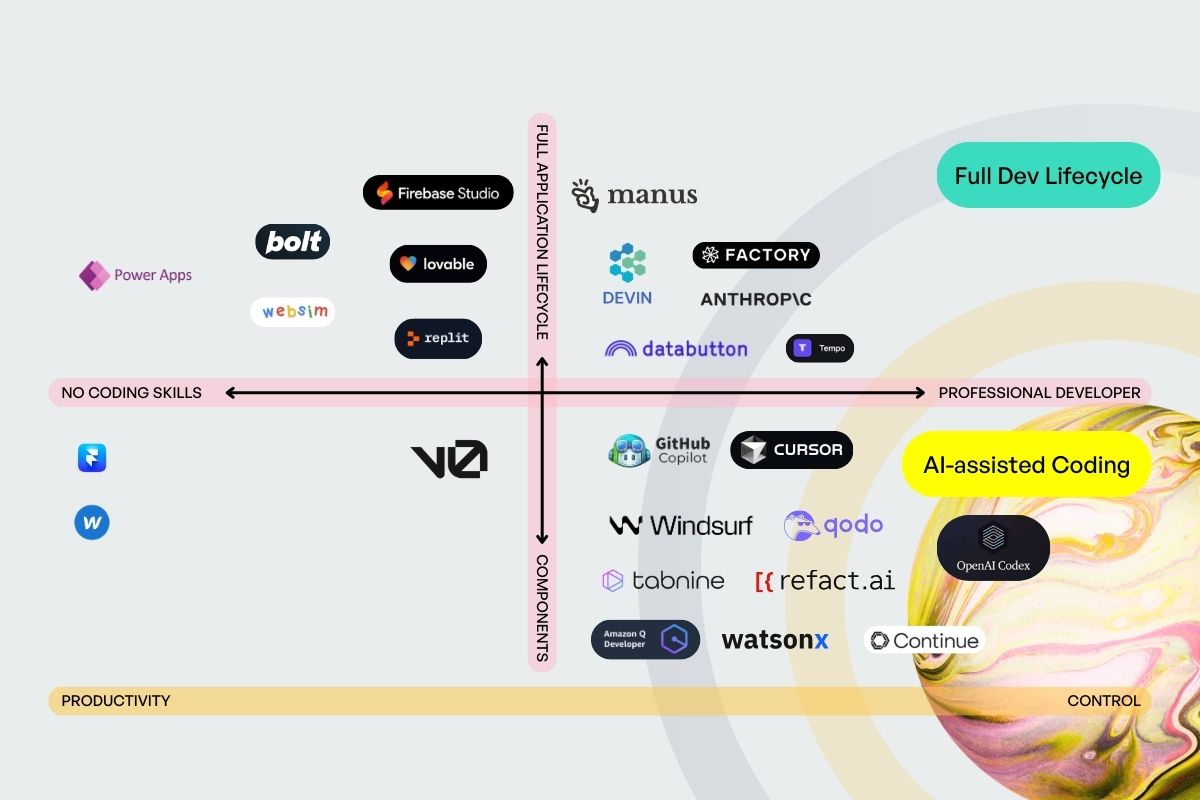
Du vibe coding à l'agentic engineering
Le code à l'instinct avec l'IA a laissé une gueule de bois : code peu sûr, équipes plus lentes. Ce qui compte maintenant : diriger les assistants IA au lieu de leur faire aveuglément confiance.

L'alpiniste / article dans Swiss IT Reseller
Portrait dans Swiss IT Reseller : pourquoi j'ai envoyé des équipes de développeurs dans les Alpes suisses pour des sprints de travail concentrés.

Stratégie de données et CRM pour les entreprises B2B : le guide
Tout le monde dit que les données clients comptent, presque personne n'a de plan. Les trois piliers qui transforment tes données en décisions plutôt qu'en archives.

Comment mettre en place un CRM (customer relationship management) en B2B
Sans système pour gérer les relations clients, des contacts précieux te filent entre les doigts. Comment mener chaque contact étape par étape jusqu'à la signature.
Questions fréquentes
C'est quoi un signal d'achat en B2B?
Des événements observables qui indiquent une disposition à acheter : un changement de direction, de nouvelles offres d'emploi, une levée de fonds, des visites répétées sur ton site ou des réactions à tes posts. Pris isolément, ce sont des suppositions; empilés, c'est un motif.
De quels outils j'ai besoin pour ça?
Moins que tu ne le crois. Il te faut d'abord un profil client idéal clair et un seul endroit où les signaux se rassemblent. Les outils qui surveillent les offres d'emploi, l'actualité et les visites du site n'aident qu'après. Un outil ne remplace jamais le fait de définir qui tu cherches.
Ce n'est pas juste de l'outbound à froid avec un plus joli nom?
Non. L'outbound à froid écrit à des inconnus tirés d'une liste. Le signal-based selling attend un déclencheur visible et s'y réfère. C'est plus pertinent pour le destinataire, plus efficace pour toi, et en Europe c'est aussi le chemin le plus propre juridiquement.
Le signal-based selling est-il compatible avec la protection des données?
Oui, si tu travailles proprement. Les signaux publics comme les offres d'emploi ou les changements de direction concernent des entreprises et sont librement accessibles. Les signaux first-party se produisent sur tes propres canaux, où les visiteurs connaissent tes règles. Ce qui est risqué, ce sont les données personnelles achetées et les cold emails sans consentement, et cette approche n'a besoin ni des unes ni des autres.
En combien de temps dois-je réagir à un signal?
En quelques jours, pas en quelques semaines. Les signaux vieillissent : un nouveau dirigeant s'installe pendant les premières semaines, ensuite les budgets et les partenaires sont souvent déjà attribués. Une routine fixe aide : le signal arrive à un seul endroit, quelqu'un le vérifie, et le message part en quelques jours.