
Automatisation du marketing et des ventes en B2B : la vue d'ensemble
·
L'automatisation a deux visages. Le premier envoie plus d'e-mails en une heure que ton équipe ne pourrait en traiter en un mois, et appelle ça de l'efficacité. Le second retire la routine des épaules de ton équipe et libère du temps pour de vraies conversations. L'automatisation du marketing et des ventes, c'est uniquement le second : le travail récurrent en marketing et en vente tourne tout seul, et ton équipe a du temps pour ce que les machines ne savent pas faire.
La différence ne vient pas de l'outil. Le même logiciel produit un chaos plus rapide ou un soulagement fiable, selon ce que tu lui donnes d'abord. Le chaos, quand le message et les données manquent et que la machine multiplie le hasard. Le soulagement, quand les deux sont en place et que la machine se contente d'exécuter.
Pourquoi le sujet compte maintenant : les assistants IA ont fait chuter le coût de l'exécution. L'automatisation n'est plus un investissement lourd, c'est l'équipement de base. La différence ne se joue plus dans l'outil, elle se joue dans le système derrière. Cette page range tous les articles sur le sujet.
J'ai écrit l'ouvrage de référence Springer Gabler sur l'automatisation du marketing et des ventes en B2B. Ce guide s'adresse aux entreprises B2B qui veulent grandir avec une petite équipe : éditeurs de logiciels, prestataires de services, PME et ETI. Bref, des équipes où chaque heure de travail routinier manque aux conversations client.
Ce que tu vas apprendre
- Ce que l'automatisation du marketing et des ventes apporte vraiment en B2B, et ce qu'on n'automatise jamais
- Le socle message et données, sans lequel toute automatisation est bâtie sur du sable
- Les trois couches d'un setup propre : données, règles, assistants IA
- Comment mesurer l'effet, avec un calcul qui justifie l'effort trois fois plutôt qu'une
L'automatisation ne paie qu'une fois le message et les données en place, et alors elle paie triple
C'est la thèse de ce guide. Payer triple veut dire : l'automatisation garde les prospects au chaud, s'occupe des clients existants et livre des chiffres sur ce qui marche. Mais seulement une fois le socle solide. Avant ça, elle multiplie ce qui ne marchait déjà pas à la main. La démonstration part de ce qu'elle apporte, passe par le socle et les couches, et finit sur le calcul qui rend le gain mesurable.
Qu'est-ce que l'automatisation du marketing et des ventes apporte vraiment en B2B?
Bien utilisée, elle fait trois choses. Elle garde les prospects au chaud jusqu'à ce qu'ils soient prêts à acheter. Elle s'occupe des clients existants qui, sinon, se perdent dans le quotidien. Et elle te donne des chiffres sur les actions qui marchent. Comment mener acquisition de nouveaux clients et suivi des clients existants en même temps, c'est dans l'article sur la génération de leads et le suivi client.
Les trois effets se renforcent. Garder au chaud veut dire que les prospects reçoivent le bon contenu au bon moment, sans que personne ait à y penser. S'occuper veut dire que les clients existants ont de tes nouvelles régulièrement, pas seulement au renouvellement. Et les chiffres te montrent quel workflow amène des clients et lequel occupe simplement les gens. La matière de ces workflows vient des idées de lead magnets, du contenu contre lequel les prospects laissent volontiers leurs coordonnées.
Et ça rapporte combien, en monnaie sonnante? La réponse honnête : ça dépend du goulot d'étranglement que tu résous. Une entreprise avec des boîtes mail pleines et un pipeline vide gagne d'abord à mieux s'occuper de ses contacts existants. Une entreprise avec beaucoup de demandes et des réponses lentes gagne à une première réponse automatique et rapide. D'où l'intérêt de regarder ta propre chaîne avant d'acheter quoi que ce soit.
Par quoi commencer, et qu'est-ce qu'on n'automatise jamais?
Tu automatises d'abord le travail récurrent aux règles claires : la réponse à une demande de téléchargement, la séquence de bienvenue pour les nouveaux contacts, les rappels pour la vente, l'entretien des données. Ce qu'on n'automatise jamais, ce sont les moments où la confiance se construit : les vrais entretiens de vente, les négociations, les réclamations.
La règle : automatise le quand et le à qui, jamais le pourquoi. Une machine peut remarquer qu'un prospect a visité ta page tarifs trois fois et alerter ton équipe commerciale. La conversation qui suit, c'est un humain qui la mène. La psychologie derrière reste la même, peu importe qui écrit : la persuasion suit six étapes, comme le montre la Wheel of Persuasion, seule l'exécution accélère.
Un premier workflow qui a fait ses preuves ressemble à ça : un prospect télécharge un guide. La machine le remercie, envoie deux articles pertinents à quelques jours d'intervalle et alerte la vente dès que le contact visite la page tarifs. Quatre étapes, un objectif mesurable, pas de labyrinthe. C'est exactement à cette taille qu'il faut démarrer, parce que chaque workflow que tu construis, tu devras l'entretenir ensuite.
Un bon exemple d'automatisation sensée : un site qui s'adapte à chaque visiteur, autres exemples, autres mots, même fond. Comment ça marche, c'est dans l'article sur l'hyper-personnalisation en marketing B2B.
Le socle : message et données
Avant que quoi que ce soit tourne tout seul, il te faut deux choses. D'abord un message qui touche : une phrase que tout le monde comprend, comme dans l'article sur le one-liner, construite sur un positionnement propre. Ensuite un seul endroit où la connaissance client se rassemble, en général le CRM, ta base de données clients centrale. Comment le mettre en place, c'est dans le guide sur la gestion de la relation client, et comment les données deviennent du savoir utilisable, c'est dans le guide sur les données clients en vente B2B.
Côté données, tu n'as pas besoin d'un setup de grand groupe, mais tu as besoin d'un plan : quelles données tu collectes, où elles vivent, qui les garde propres? Les trois piliers sont décrits dans la stratégie de données pour ton CRM. Sans ce socle, tu automatises sur du sable.
L'automatisation du marketing et des ventes en trois couches
Vois ton setup comme trois couches : le socle de données en bas, l'automatisation par règles au-dessus, les assistants IA tout en haut. Chaque couche s'appuie sur celle du dessous. La plupart des problèmes dans les couches hautes sont en réalité des trous dans le socle.
Couche un, le socle de données : CRM, contacts propres, un message documenté. Couche deux, les règles si-alors : si quelqu'un télécharge le guide, l'e-mail suivant part trois jours après. Cette couche a fait ses preuves depuis des années et absorbe la routine. Couche trois, les assistants IA qui font la recherche, rédigent et enrichissent les données. Comment démarrer là, sans jargon technique, c'est dans Se lancer avec l'IA dans la vente B2B. Tu trouveras plus dans le hub automatisation IA.
L'ordre des couches n'est pas négociable. Un assistant IA posé sur des données pourries produit des absurdités bien tournées, et une règle posée sur de mauvais contacts envoie des e-mails aux mauvaises personnes. Le principe : tu ne construis la couche suivante que quand celle d'en dessous tient. Ça semble lent, mais c'est le chemin le plus rapide, parce que tu ne construis jamais deux fois la même chose.
Quelles erreurs ruinent l'automatisation du marketing et des ventes?
Mal utilisée, l'automatisation produit juste un chaos plus rapide. J'ai rassemblé les dix pièges les plus fréquents dans ces 10 erreurs. Version courte : les workflows trop compliqués, les mauvaises données et le contenu faible se vengent automatiquement.
Derrière les dix pièges, il y a trois racines. Les workflows trop compliqués apparaissent quand tu automatises ce que tu n'as jamais testé à la main. Les mauvaises données apparaissent quand personne n'est responsable du socle. Et le contenu faible apparaît quand la machine peut envoyer plus que ce que l'équipe produit de substance. Le meilleur remède contre le troisième point : de vraies observations tirées du quotidien, plus crédibles encore en founder-led content, et un ordre clair entre contenu et publicité, comme décrit dans contenu et performance marketing. J'ai vu ces schémas encore et encore en conseillant plus de 100 entreprises B2B, et je les ai décrits en détail dans le livre Springer Gabler.
Ton automatisation actionne un levier ou trois?
Passe chaque projet d'automatisation au test des trois leviers : est-ce qu'il sert la demande, la rétention ou le chiffre d'affaires par client? La vue d'ensemble vient du playbook SaaS de Stijn Hendrikse, T2D3 : la croissance arrive quand tu actionnes trois leviers à la fois, plus de demande, moins de résiliations, plus de chiffre d'affaires par client. Une automatisation qui ne court qu'après de nouveaux logos actionne un levier sur trois.
Pour Hendrikse, la plus grosse erreur des équipes SaaS est de se concentrer sur un seul levier. C'est l'automatisation qui rend réaliste de servir les trois en même temps, parce que la routine ne colle plus aux basques de l'équipe. Passe donc les trois leviers en checklist avant d'investir une heure de construction.
Les workflows automatisés isolés ne sont qu'un début. Le vrai gain arrive quand marketing et vente travaillent sur le même socle, du premier contact jusqu'au passage de relais vers la vente. Et maintenant que les assistants IA écrivent les textes et enrichissent les données, une chose compte plus que jamais : la technologie est devenue bon marché, c'est la connaissance partagée derrière qui décide. L'automatisation devient donc la dernière étape d'un chantier plus large : d'abord les clients idéaux, puis le positionnement, puis les processus, puis la mesure, l'automatisation en dernier. Ce chantier système est décrit dans le hub GTM Engineering.
Comment mesurer si ton automatisation fonctionne?
Par étapes de conversion, pas par volume d'activité. Un taux de conversion te dit combien de contacts passent d'une étape du parcours client à la suivante. Chaque automatisation doit améliorer de façon mesurable exactement une de ces étapes. Si elle n'y arrive pas, jette-la.
Le raisonnement vient de Jacco van der Kooij dans la SaaS Sales Method : le chiffre d'affaires n'est pas la somme des deals mais le produit des taux de conversion. Améliore chaque étape de la chaîne de 10% et le chiffre d'affaires nouveau double presque, calcule-t-il. D'où l'intérêt de trouver l'étape la plus faible et d'automatiser exactement là, plutôt que partout à la fois. Van der Kooij note aussi que dans un business SaaS, seuls 29% de la valeur vie d'un client tombent la première année. Le reste vient plus tard, par les renouvellements et l'expansion. Le suivi client automatisé n'est pas un bonus sympa, c'est du travail de chiffre d'affaires.
En pratique : avant de démarrer, note où en est l'étape aujourd'hui, par exemple combien de contacts issus d'un téléchargement réservent un entretien dans le mois. Ensuite laisse tourner l'automatisation quelques semaines et compare. Sans cette comparaison avant-après, tu débats de ressentis au lieu de chiffres.
Mesure ce qui montre une intention d'achat : les réponses, les rendez-vous, les deals signés, les renouvellements. Pourquoi compter les contacts comme métrique dresse les deux équipes l'une contre l'autre, c'est dans Les MQL ne fonctionnent pas.
Ce calcul, c'est le gain mesurable derrière la thèse. 10% par étape semble modeste et double presque le chiffre d'affaires nouveau, parce que la chaîne multiplie au lieu d'additionner. Les chiffres viennent d'un contexte SaaS américain : prends-les comme modèle et refais le calcul avec tes propres taux de conversion. À côté de ce calcul, toutes les promesses d'outils paraissent pâles.
Bilan honnête : ce que l'automatisation fait et ne fait pas
✅ Ce qui brille : la routine aux règles claires. Séquences de bienvenue, rappels, entretien des données et suivi client tournent plus fiablement que n'importe quel humain, et ton équipe récupère des heures pour de vraies conversations.
❌ Ce qui ne brille pas : l'automatisation ne sauve ni un message faible ni de mauvaises données, elle rend juste les deux visibles plus vite. Et elle ne remplace pas les entretiens de vente, les négociations ou les réclamations. C'est là que la confiance se construit, et ça ne se délègue pas.
⚠️ Attention : chaque workflow que tu construis doit être entretenu. Monte-en des dizaines en peu de temps et tu t'es offert un deuxième métier. Commence par un seul workflow, mesure l'effet et n'élargis qu'une fois qu'il tient.
Retour aux deux visages du début. Chaos plus rapide ou temps gagné : ça ne se décide pas dans l'outil mais dans l'ordre en amont. D'abord le message, puis les données, puis les règles, puis les assistants IA. Construis comme ça et tu encaisses le gain triple : des prospects au chaud, des clients bien suivis et des chiffres auxquels tu peux te fier.
Si tu préfères piloter ton automatisation avec un plan plutôt qu'avec un catalogue d'outils, abonne-toi à ma newsletter : inscris-toi ici.
Tu trouveras ci-dessous tous les articles sur le sujet, chacun décrit en langage simple.
Tous les articles sur ce sujet

The ABM loop: how I build an account-based GTM system
I build ABM as a learning loop around target accounts. Customer evidence defines the ICP. Enrichment connects the CRM. Signals from websites, products and custom assessment tools guide the next action. Fit tiers, awareness and relationship strength stay separate. People own conversations and commitments. Explore the six-step workflow, change the illustrative signal model and see how customer outcomes feed the next round.

AI sales roles in 2030: the return of the full-cycle seller
AI will not replace the salesperson. It replaces the machinery around them: research, preparation, documentation, CRM updates, routine follow-up. What remains is an AI-native full-cycle seller who owns the customer relationship from first signal to renewal, with agents that prepare and keep systems current. The durable advantage is not the agent but customer memory: every signal connected, permissioned, retrieved the moment a human or an agent needs it.

State of Go-to-Market 2026 : hybride, rétention, IA
L'état du Go-to-Market en 2026 tient en trois bascules. Les motions hybrides sont la norme, et les entreprises High-Growth ajoutent une entrée Self-Serve qui apporte déjà environ 20% du revenu, plus du double de la moyenne de leurs pairs. Le pricing et la rémunération suivent : 48% appliquent un pricing hybride, et les AE sont de plus en plus payés sur le revenu net et la rétention. La croissance réaccélère et les deals se concluent six semaines plus vite, mais les contrats raccourcissent. Les entreprises qui prennent de l'avance ont l'IA intégrée dans le Funnel : un Quota Attainment plus élevé dans chaque segment, avec des équipes plus petites.

Positionnement de homepage B2B : do's et don'ts tirés de 147 refontes
J'ai analysé 147 refontes avant/après de pages d'accueil B2B. Quatre erreurs expliquent presque chacune : trop large, pas d'ennemi nommé, des résultats à la place de la mécanique, pas de problème. Les pages réécrites suivent un squelette de neuf blocs dans un ordre fixe. J'en ai tiré les règles du messaging de homepage : un tableau de do's et don'ts pour chaque niveau de la page, plus trois tests et une checklist avant la mise en ligne de ta page d'accueil.

Processus de vente Enterprise : 15 étapes pour conclure
Un processus de vente Enterprise n'est pas un entonnoir CRM avec intro, démo, proposition et contrat. Ça, ce sont des catégories de prévision. Le vrai processus suit le parcours d'achat du client : trouver un sponsor, collecter le contexte, construire la démo ensemble, encadrer le pilote de près, obtenir l'accord interne et intégrer le service des achats tôt dans le processus. Le levier le plus important n'est plus le pitch. C'est une avance en termes d'informations qui facilite l'affaire pour le client.

Comment démarrer avec l'IA dans la vente B2B
Se lancer avec l'IA dans la vente, sans jargon technique : un petit assistant qui prend en charge la recherche et la préparation, plus tes propres canaux pour que les acheteurs t'entendent en premier.

Perfectionne ton sales pitch avec April Dunford
L'approche d'April Dunford : un bon pitch n'est pas une astuce, c'est le résultat d'un positionnement propre. Huit phrases sur lesquelles ton équipe et tes assistants IA peuvent s'appuyer.

Anatomie du ticket GTM à l'ère des agents autonomes
Une tâche n'est bien décrite que si un humain et un assistant IA peuvent l'exécuter sans poser de questions. Voilà à quoi ressemble un tel ordre de travail.

Les MQL ne fonctionnent pas : du pipeline qualifié plutôt que du théâtre de leads
Le marketing célèbre des contacts que la vente ne peut pas utiliser. Pourquoi cette façon de compter dresse les équipes l'une contre l'autre, et quoi mesurer à la place.

Inbound vs outbound marketing pour plus de ventes B2B
Attendre que les clients viennent ou frapper aux portes toi-même? Mauvaise question. Comment les deux moteurs tournent sur un même socle et se renforcent.

Le one-liner pour un messaging que les gens comprennent vraiment
Une phrase faite de problème, solution et bénéfice explique ton produit à n'importe qui. Le mode d'emploi.

Combiner content marketing et performance marketing
Du bon contenu ou de la publicité payante? Les deux, mais dans le bon ordre : une vraie idée, beaucoup de formats, mesurés avec des chiffres.

Le Wheel of Persuasion à l'ère des agents
La persuasion suit six étapes, que ce soit un humain ou une IA qui écrit. La psychologie reste, seule l'exécution accélère.

Utiliser les données clients pour la vente B2B : le guide
Des données seules ne valent rien si personne ne sait les lire. Comment transformer des données clients éparpillées en savoir utilisable, proprement et légalement.

Un sales enablement réussi : 3 piliers pour le marketing et les ventes
Ton équipe commerciale doit bien vendre même quand tu n'es pas dans la pièce. Les trois piliers : du contenu adapté, des données fiables, une approche personnelle.

Agentic engineering : pourquoi le mid-market DACH reste bloqué à l'étape un
Reconstruire le développement logiciel autour des assistants IA : les PME et ETI échouent rarement sur la technique, elles échouent sur le management et la culture.

Le handover marketing-ventes qui fonctionne vraiment
Le passage de relais du marketing à la vente n'échoue jamais par manque de bonne volonté, il échoue sur deux vérités séparées. Ça se règle quand tout le monde lit la même information.

3 raisons pour lesquelles le marketing B2B échoue souvent (et la 4e, nouvelle en 2026)
Trois vieilles raisons pour lesquelles le marketing B2B échoue, et une nouvelle : trop d'outils sans connaissance partagée derrière.

Founder-led content : ton avantage GTM impossible à copier
Personne ne répond à un inconnu. Quand les acheteurs te connaissent déjà par tes posts, les taux de réponse montent. Pourquoi ton visage est le seul avantage que personne ne peut copier.
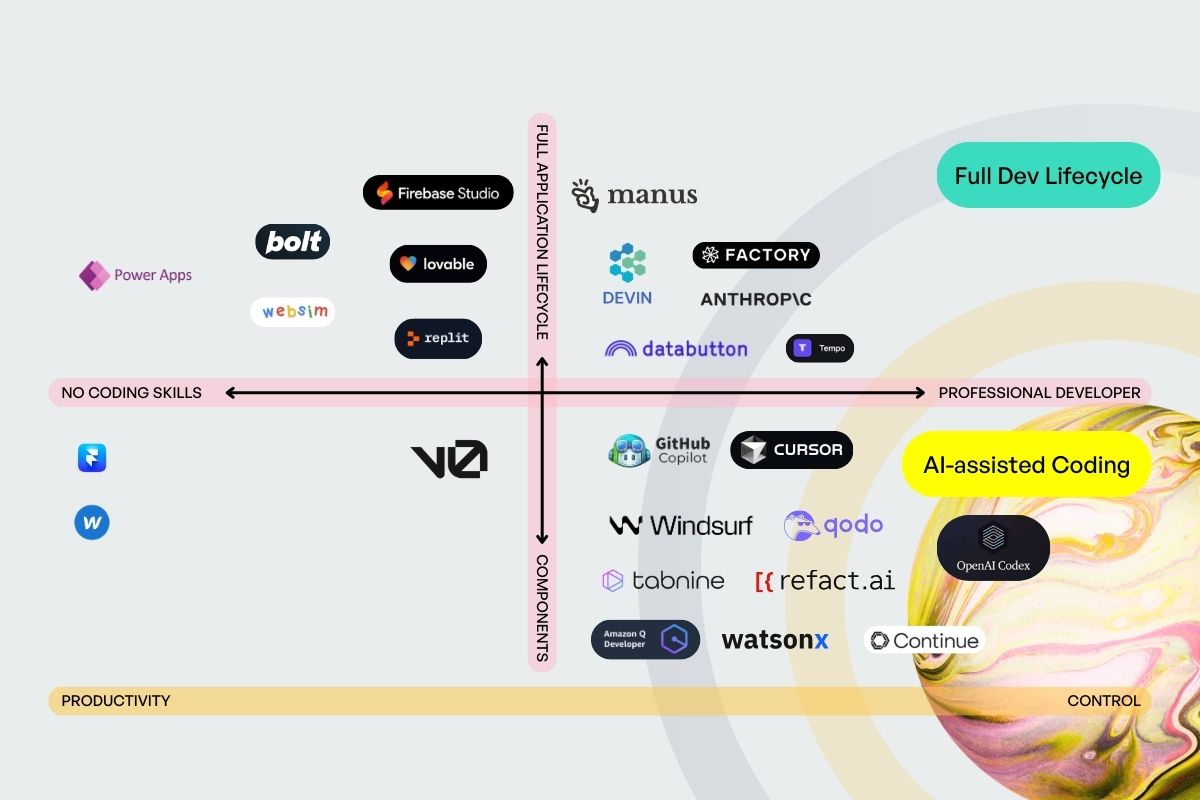
Du vibe coding à l'agentic engineering
Le code à l'instinct avec l'IA a laissé une gueule de bois : code peu sûr, équipes plus lentes. Ce qui compte maintenant : diriger les assistants IA au lieu de leur faire aveuglément confiance.

L'alpiniste / article dans Swiss IT Reseller
Portrait dans Swiss IT Reseller : pourquoi j'ai envoyé des équipes de développeurs dans les Alpes suisses pour des sprints de travail concentrés.

Stratégie de données et CRM pour les entreprises B2B : le guide
Tout le monde dit que les données clients comptent, presque personne n'a de plan. Les trois piliers qui transforment tes données en décisions plutôt qu'en archives.

Comment fonctionne l'hyper-personnalisation en B2B?
Ton site s'adapte automatiquement à chaque visiteur : autres exemples, autres mots, même fond. Comment ça marche en B2B.

10 erreurs à éviter en marketing automation
Les 10 erreurs les plus fréquentes en marketing automatisé, des workflows trop compliqués au contenu faible, et comment les éviter.
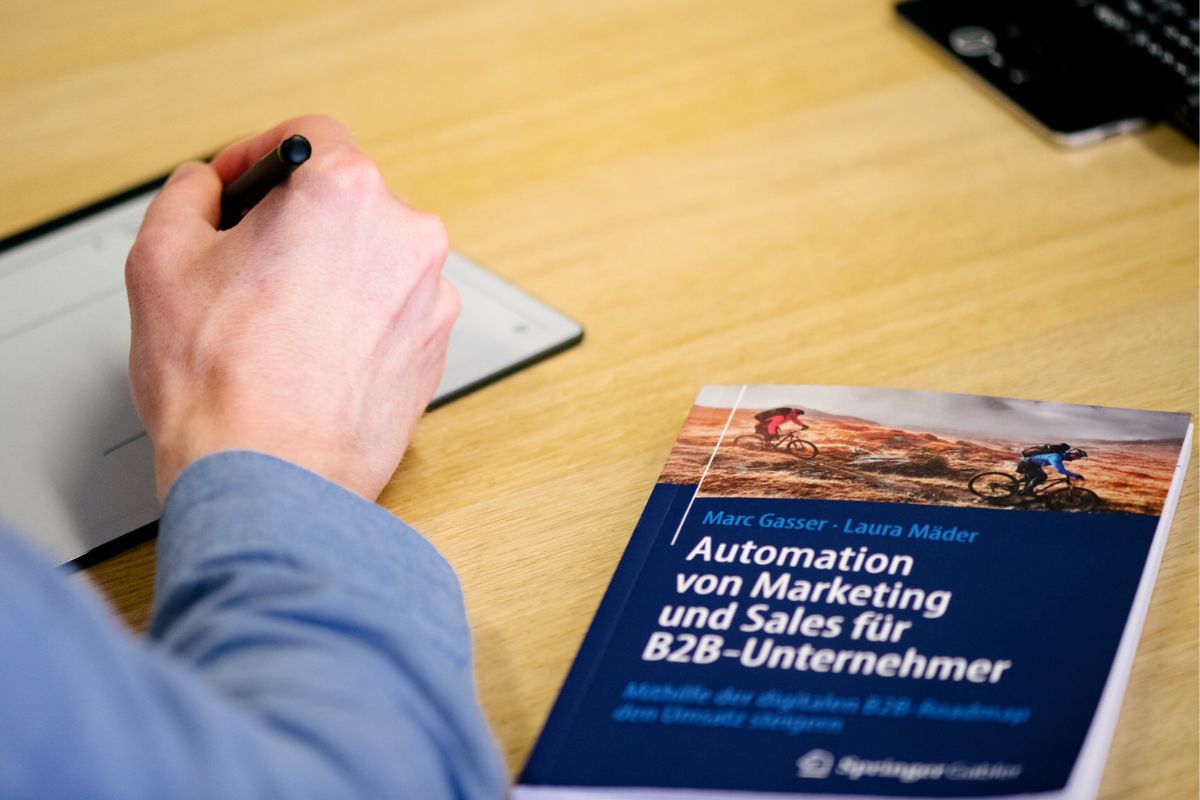
Marketing automation : génération de leads ou suivi des clients existants?
Gagner de nouveaux clients ou s'occuper des existants? Avec l'automatisation, tu n'as pas à choisir. Comment faire les deux avec une petite équipe.

Comment fonctionne le positionnement produit en B2B?
Le positionnement, c'est quand tes clients comprennent tout de suite pourquoi ton produit est fait pour eux. Ce guide montre comment le construire en trois étapes.

20 idées de lead magnets pour les entreprises B2B
20 idées de contenus contre lesquels les prospects laissent volontiers leurs coordonnées : de la checklist au calculateur.

Comment mettre en place un CRM (customer relationship management) en B2B
Sans système pour gérer les relations clients, des contacts précieux te filent entre les doigts. Comment mener chaque contact étape par étape jusqu'à la signature.
Questions fréquentes
C'est quoi le marketing automation, en mots simples?
Un logiciel prend en charge le travail marketing récurrent : envoyer les e-mails au bon moment, trier les prospects selon leur comportement, entretenir les contacts. Ton équipe décide de ce qui est dit. Le logiciel gère le quand et le à qui.
À partir de quelle taille est-ce que ça vaut le coup?
Plus tôt que tu ne le penses. Dès que tu as plus de prospects que tu ne peux en suivre personnellement, le premier workflow automatisé est rentable. Plus important que la taille de l'entreprise : le socle, des données propres et un message clair.
Est-ce que l'IA remplace le marketing automation?
Non, elle l'amplifie. L'automatisation classique suit des règles fixes, tandis que les assistants IA prennent en plus la recherche, la rédaction et l'analyse. Les deux ne fonctionnent que si la connaissance de tes clients vit à un seul endroit et qu'elle est juste.
Qu'est-ce que je dois automatiser en premier?
Le travail récurrent aux règles claires et à valeur directe : la réponse à une demande de téléchargement, la séquence de bienvenue pour les nouveaux contacts, les rappels pour la vente et l'entretien des données. Commence par un seul workflow, mesure l'effet et n'élargis qu'ensuite.
Qu'est-ce que je ne dois jamais automatiser?
Les moments où la confiance se construit ou se rattrape : les vrais entretiens de vente, les négociations, les réclamations et tout ce où un client attend de la proximité. L'automatisation doit rendre ces conversations possibles pour ton équipe en prenant la routine, pas les remplacer.