

ChatGPT
Problem: Limited access to useful, safe AI. Solution: ChatGPT offers a natural dialogue interface with data privacy and integrations (e.g., health). Result: Widespread adoption.
Company snapshot
- Headcount
- 10,439 (2026-08-13)
- Followers
- 11,469,174 (2026-08-13)
- HQ
- San Francisco, California, United States
Headcount growth
Based on LinkedIn data.
ChatGPT's GTM, reverse-engineered
Why is ChatGPT growing so fast?
ChatGPT's growth is driven by a viral consumer freemium product that acts as a pipeline for direct enterprise sales. The initial zero-friction chat interface created widespread consumer adoption, which generated a shadow-IT footprint inside organisations. This footprint is now being converted into stable B2B revenue through dedicated enterprise tiers and usage-based developer APIs, supported by massive infrastructure funding.
Headcount: 4971 → 10439 (+110% / 12M, 2026-08-13) · baseline partly interpolated
Product Wedge to Enterprise Pipeline
Supported inferenceThe company launched a zero-friction conversational text interface that relied entirely on viral word-of-mouth. This broad consumer adoption created a shadow-IT presence within companies. The timing and mechanism suggest this footprint supported the later launch of an Enterprise tier to capture and formalise internal demand.
Multi-tiered Monetisation
Company claimThe freemium model acts as an activation mechanism where usage limits and feature gating drive conversion to paid tiers. Monetisation blends predictable consumer subscriptions with traditional B2B enterprise sales and usage-based developer APIs. The company claims this layered strategy reached an annualised revenue of 10 billion dollars by mid-2025.
Continuous Expansion and Funding
ObservedThe core product expanded laterally from text into voice, vision, and background automation workflows. Sustaining this expanding infrastructure required significant capital raises, including an observed 6.6 billion dollar funding round in late 2024. These continuous upgrades drive retention and facilitate team-wide enterprise deployments.
Evidence-based GTM analysis (GTM-RX). Observations, company claims and inferences are labelled separately. 6 sources. Updated: 2026-08-28.
Facts
- Industry
- Research Services
- Competitors
- GoogleAnthropicMicrosoft
- Customers
- Amgen, Commonwealth Bank, Booking.com
- Employees
- 10,439
- Followers
- 11,469,174
- Review created
- Last reviewed
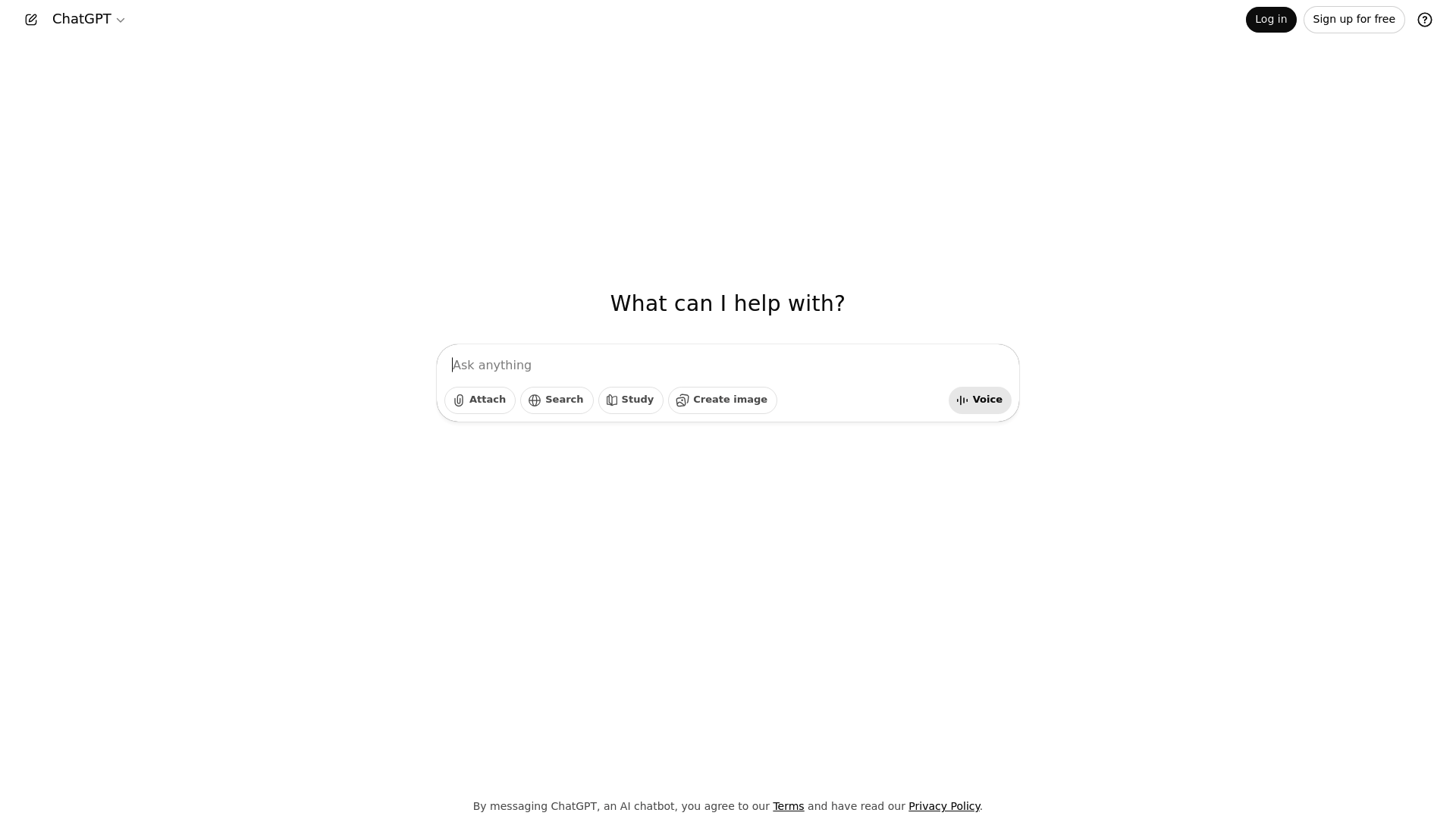
ChatGPT Review 2026: The Ultimate Analysis of the AI Revolution
Unique Feature Rating & Critique Best suited for Multimodal GPT-5.2 & Pro Mode 4.8/5 - Market leader in logic, but high costs for pro users. Power users, developers & companies Summary & Conclusion
ChatGPT remains the gold standard for generative AI in 2026. With the introduction of GPT-5.2 and specialized models like GPT-4.1 for coding, OpenAI offers unprecedented depth. While competition from Claude and Gemini grows, ChatGPT scores points with its ecosystem of custom GPTs, projects, and agent modes. A must for productive workflows, despite increasing complexity in the pricing structure.
Core AI Features
GPT-5.2 and Multimodality
The flagship model GPT-5.2 offers virtually unlimited logic capabilities. It processes text, images, audio, and video in real time. Of particular note is the speed of GPT-40, which serves as the standard model for fluent speech interactions.
Advanced Data Analysis & Codex
With the specialized GPT-4.1 model, OpenAI has massively improved coding capabilities. The data analysis tools allow users to upload and visualize complex datasets and generate automated reports. Custom GPTs & Agents: Users can create their own AI assistants that access specific knowledge databases. The GPT Store now offers over 60 integrated business apps that automate workflows. Practical Use Cases 2026: Software Development: Automated code generation and debugging with GPT 4.1. Healthcare: Using ChatGPT Health for secure, HIPAA-compliant management of patient records. Marketing & Content: Creating multimodal campaigns including AI-generated images and videos. Pricing & Competitive Comparison: OpenAI offers a tiered pricing structure to serve different user groups: Free & Go ($8/month): Entry-level plans, now ad-supported, but providing access to basic models. Plus ($20/month): The standard for individual users with access to GPT-5.2 (limited) and projects. Pro ($200/month): For professionals with unlimited messages and the most powerful GPT-5.2 Pro model. Business & Enterprise: Focus on data privacy (no training on company data) and admin controls. Compared to Anthropic Claude, ChatGPT offers a broader ecosystem, while Claude often scores points with its context window size. The main problem: Hallucinations and costs. Despite the progress, the problem of factual errors (hallucinations) remains. Users must critically examine results. Furthermore, the costs for the Pro plan or Enterprise solutions can be significant for small teams. The solution: Human-AI collaboration. OpenAI responds with improved citation capabilities and the "Memory" feature, which stores context across chats. The introduction of projects allows for the isolation of knowledge and increased accuracy. The result: Increased productivity. Companies report massive time savings in research and documentation. ChatGPT has evolved from a simple chatbot into a comprehensive operating system for AI-powered work.
Recent (last 90 days)
News & updates
The collaboration between IE University and OpenAI highlights the transformative role of AI in education, launching specialized training to develop digital competencies. The initiative fosters personalized learning and shifts toward responsible technology application, aiming to position the university as a leader in AI-enhanced education.
Company
OpenAI is an AI research and deployment company dedicated to ensuring that general-purpose artificial intelligence benefits all of humanity. AI is an extremely powerful tool that must be created with safety and human needs at its core. OpenAI is dedicated to putting that alignment of interests first — ahead of profit. To achieve our mission, we must encompass and value the many different perspectives, voices, and experiences that form the full spectrum of humanity. Our investment in diversity, equity, and inclusion is ongoing, executed through a wide range of initiatives, and championed and supported by leadership. At OpenAI, we believe artificial intelligence has the potential to help people solve immense global challenges, and we want the upside of AI to be widely shared. Join us in shaping the future of technology.
LinkedIn ↗