
B2B Automation & AI: dove l'AI crea valore vero per il business
·
Ogni azienda B2B in questo momento ha un pilota AI in corso. Chiedi a un team di direzione di B2B Automation & AI e ottieni una demo, un budget e una promessa. Chiedi i risultati 3 mesi dopo e nella stanza cala il silenzio. La maggior parte dei piloti muore in silenzio: nessun utilizzo, nessun valore misurabile, un tool in più che non manca a nessuno.
Il motivo raramente è il modello. Il motivo è che l'AI generica lavora senza contesto. Un modello che non conosce i tuoi clienti, non conosce il tuo posizionamento e non vede i tuoi dati può produrre solo genericità. Garbage in, garbage out: dai a un modello dati cattivi o nessun dato e ti tornano indietro risultati cattivi, solo più in fretta di prima.
Questa pagina è la mappa di quel territorio, non una lista di tool: dove l'AI regge già il peso, perché i dati sono le fondamenta, come i tool diventano membri del team e dove falliscono davvero le aziende del mercato di lingua tedesca. Scritta per founder, responsabili GTM e persone di prodotto. GTM sta per go-to-market, il percorso che il tuo prodotto fa verso i clienti paganti.
Non scrivo dagli spalti. Insieme all'ETH di Zurigo e all'Università di San Gallo pubblico l'AI Monitor, uno studio continuativo su dove sono davvero le aziende con l'AI. I dati mostrano lo stesso quadro dei miei progetti: tra annuncio AI e valore creato con l'AI c'è un divario ampio, e quel divario ha uno schema.
Cosa impari
- La mappa del valore: 4 ambiti in cui l'AI oggi consegna in modo affidabile e 3 in cui fallisce.
- Perché le fondamenta sono i tuoi dati, non il modello.
- Come i tool AI diventano membri del team che si prendono interi workflow.
- Dove B2B Automation & AI fallisce nella regione DACH e quale regola alla fine decide tutto.
B2B Automation & AI in una frase: l'AI crea valore dove lavora sulla tua conoscenza
Tutta la tesi di questa pagina sta in una frase: l'AI crea valore dove lavora sulla conoscenza della tua azienda e brucia tempo dove deve tirare a indovinare senza contesto. Non decide il modello, decidono le fondamenta che ci stanno sotto. Il resto è la dimostrazione, dall'argomento più leggero al più pesante: prima la mappa dei casi d'uso, poi la base di dati, poi il passaggio da tool a membro del team e infine la regola da cui dipende tutto.
Dove ripaga per prima cosa l'AI nel B2B?
Prima di tutto dove il lavoro si ripete e il risultato si può controllare: ricerca, routine, testi informativi e manutenzione dei dati. In questi 4 ambiti l'AI oggi consegna in modo affidabile. Resta debole su storytelling, valutazioni e relazioni. Questa mappa è il nocciolo di ogni strategia AI nel B2B.
L'inventario sobrio è in l'AI nel marketing B2B: capire meglio i clienti, prendersi il lavoro di routine, alleggerire il sales. In concreto:
- Ricerca: riassumere mercati, aziende e contatti prima di entrare in una conversazione.
- Routine: preparare i meeting, smistare le richieste, scrivere bozze di report, documentare i passaggi di consegne.
- Testi informativi: descrizioni di prodotto, documentazione, riassunti e prime bozze.
- Manutenzione dei dati: completare i record, unire i duplicati, tenere aggiornati i campi.
Il test per i nuovi casi d'uso è semplice: riesci a verificare in 5 minuti se il risultato è giusto? Allora il task è idoneo. Se il controllo dura più del lavoro stesso, il caso non è ancora maturo.
Sulla scrittura il quadro è più sfumato: l'AI aiuta molto sui contenuti informativi e fatica sullo storytelling, come mostra creare contenuti con l'AI. E nel contatto diretto con il cliente la psicologia della persuasione resta umana, scala solo l'esecuzione, vedi The Wheel of Persuasion. Giudizio, storia e relazione restano lavoro umano. Non perché i modelli siano troppo deboli, ma perché alla fine qualcuno deve metterci la faccia sul risultato.
Perché i tool AI generici deludono?
Perché manca loro il contesto. Un modello senza accesso alla conoscenza sui tuoi clienti, al tuo posizionamento e ai tuoi dati può produrre solo genericità. Il collo di bottiglia non è quasi mai l'AI. Sono i dati sparsi e il contesto che manca.
Perciò ogni iniziativa AI seria parte dalla base: una strategia dei dati con il CRM come verità condivisa e un sistema di gestione delle relazioni con i clienti impostato bene. CRM sta per customer relationship management, il sistema in cui confluiscono tutte le informazioni su clienti e contatti. Se le note vivono nelle caselle di posta, le offerte sui laptop e la conoscenza sui clienti nelle teste, nemmeno il modello migliore del mondo ci costruisce sopra risposte utili.
Il pezzo mancante io lo chiamo Context Engine: la conoscenza di business della tua azienda, raccolta, su cui l'AI lavora. Chi sono i tuoi clienti e cosa li tiene occupati. Cosa offri e cosa prometti. Come parli e cosa ha funzionato finora. Suona tecnico, ma è soprattutto ordine. Solo quando quelle fondamenta stanno in piedi l'AI generica diventa uno strumento con contesto, per esempio per contenuti che si adattano a ogni visitatore.
Un esempio rende la differenza tangibile. Due aziende usano lo stesso modello per i testi delle offerte. Una gli passa posizionamento, referenze e trattative passate. L'altra scrive un'istruzione in una casella vuota. La prima ottiene una bozza utilizzabile, la seconda un testo che potrebbe arrivare da qualsiasi concorrente. Stesso strumento, fondamenta diverse. Ecco perché la domanda sul budget di solito è posta al contrario: non quale modello, ma quale conoscenza. Il modello puoi cambiarlo quando vuoi. Le tue fondamenta no.
Da tool a membro del team: cosa sta cambiando adesso
Il cambiamento vero è più grande di un tool nuovo: gli assistenti AI, i cosiddetti agenti, entrano nel team e si prendono interi workflow. Un agente è un programma che esegue un incarico da solo: legge le fonti, trae conclusioni, produce un risultato e si fa sentire quando qualcosa non è chiaro. Questo non cambia solo la cassetta degli attrezzi, cambia come è organizzato il lavoro.
Perché adesso?
Fino a poco fa i programmi potevano eseguire solo quello che era stato definito in anticipo con precisione. La novità è che i modelli capiscono il linguaggio ed elaborano informazioni non strutturate: mail, note, documenti, trascrizioni di call. Così diventano automatizzabili task che prima richiedevano persone. È proprio per questo che la domanda su dove metta le mani l'AI torna a porsi da capo, in ogni reparto. Come cambia di conseguenza il modo di costruire software è in Dal vibe coding all'agentic engineering.
Alla leadership questo chiede tre cose. Primo, incarichi chiari, perché un assistente vale quanto la descrizione del suo task. Come è fatto un ordine di lavoro che una persona e un'AI eseguono senza fare domande lo mostra l'anatomia del ticket GTM. Secondo, standard, perché la qualità adesso nasce nella revisione, non nella scrittura. Terzo, processi documentati. Jacco van der Kooij sostiene in The SaaS Sales Method che i ricavi ricorrenti costringono il sales ad abbandonare l'arte dei singoli fuoriclasse per un processo misurabile. La stessa logica vale per l'AI: solo un workflow che sai descrivere è un workflow che puoi affidare a un assistente.
L'AI sostituisce i collaboratori?
L'AI sostituisce i task, non la responsabilità. Gli assistenti si prendono in modo affidabile ricerca, bozze e manutenzione dei dati. Decisioni, relazioni e controllo qualità restano alle persone. Così team piccoli arrivano all'output di reparti un tempo grandi, senza che la responsabilità sparisca.
Nella pratica i ruoli si spostano. Chi oggi macina liste domani guida assistenti, controlla risultati e migliora le istruzioni. È lavoro più impegnativo, non lavoro meno prezioso. Allo stesso tempo guadagna valore tutto ciò che ha bisogno di fiducia: ascoltare, negoziare, decidere, prendersi le critiche. Nel B2B le persone comprano ancora dalle persone.
Per questo ogni strategia AI ha bisogno del movimento contrario: facce visibili invece di volume anonimo. Se i buyer ti conoscono già dai tuoi post prima che il tuo team sales bussi, ogni automazione dietro lavora il doppio. Perché la tua faccia è l'unico vantaggio che nessuno può copiare è in founder-led content come vantaggio GTM.
Dove fallisce B2B Automation & AI nella media impresa DACH?
Raramente sulla tecnologia, e sulla regolamentazione meno spesso di quanto suggerisca il dibattito. Il freno sono leadership e cultura: ownership poco chiara, standard mancanti, paura di perdere il controllo. La protezione dei dati si risolve con dati puliti e regole chiare. Cambiare le abitudini di un'organizzazione è il lavoro vero.
È una diagnosi scomoda, perché mette la responsabilità esattamente dove si decidono i budget. Puntare il dito su Bruxelles o Berna è più comodo che guardare il proprio lavoro di leadership. Ma un concetto di protezione dei dati si scrive in settimane. Una cultura in cui qualcuno ci mette la faccia su un workflow AI richiede mesi. Cosa significhi per le aziende del mercato di lingua tedesca, e dove di solito si arena, è in Agentic engineering nella media impresa DACH.
Gli errori si ripetono da un'azienda all'altra:
- Partire dal tool invece che dal workflow: prima si comprano le licenze, poi si pensa allo scopo.
- Automatizzare prima che le fondamenta reggano: con dati deboli e posizionamento poco chiaro l'AI accelera solo il disordine.
- Dieci piloti in parallelo invece di un workflow che gira bene e costruisce fiducia.
- Nessuno è responsabile: l'assistente è di tutti e quindi di nessuno.
La legge dell'amplificazione: l'AI amplifica il tuo sistema
La regola più sobria arriva dalla pratica: l'AI amplifica il tuo sistema. Dove non c'è sistema non c'è niente da amplificare. Se il tuo messaggio non è chiaro, l'AI produce messaggi poco chiari su larga scala. Se i tuoi dati sono inutilizzabili, ottieni output inutilizzabile in tempo reale. Quindi prima di qualsiasi automazione viene la domanda se prodotto e mercato siano collegati davvero. Come funziona questo gioco di squadra è in product marketing e product management.
Questa legge spiega anche perché i vincitori di questo cambiamento sono piccoli. L'immagine di arrivo è descritta in Agentic GTM e product engineering: tre professionisti più assistenti invece di trenta persone. L'esecuzione è diventata economica. Il collo di bottiglia è la leadership. Un team piccolo con un messaggio chiaro, dati puliti e workflow documentati ha più da amplificare di una divisione aziendale con i suoi confini politici.
Questa pagina è l'hub strategico per tutto questo: dove l'AI crea valore e cosa pretende dalle fondamenta e dalla leadership. L'implementazione quotidiana, dal primo piccolo assistente agli ordini di lavoro fino ai limiti, è raccolta nell'hub pratico AI Automation. E se tratti sales e marketing come un sistema progettato, con dati, workflow e assistenti invece di tool isolati, l'officina giusta è l'hub GTM Engineering.
Il mio consiglio per iniziare: scegli un workflow che fa male e si ripete. Dai a un assistente tre fonti di dati e una regola chiara. Misura il risultato prima di scalare. La strategia senza pratica resta sulla carta. La pratica senza strategia diventa smanettamento costoso.
Il mio verdetto dopo tutti quei piloti
✅ Cosa brilla: l'AI su una conoscenza aziendale pulita, per lavoro ricorrente e verificabile: ricerca, routine, testi informativi, manutenzione dei dati. Lì consegna già oggi, in modo misurabile e affidabile.
❌ Cosa non brilla: giudizio, storia, relazione. E ogni speranza che un modello possa compensare una strategia mancante, messaggi poco chiari o dati caotici.
⚠️ Attenzione: automatizzare prima che le fondamenta reggano accelera solo il disordine. Il cimitero silenzioso dei piloti non nasce da modelli deboli, nasce da ownership mancante.
Il che ci riporta all'inizio: tutti quei piloti AI non falliscono perché la tecnologia è troppo acerba. Falliscono perché poggiano sul nulla. B2B Automation & AI non è un progetto di acquisto, è lavoro di leadership su dati, incarichi e standard. Le aziende che lo capiscono prima o poi smettono di aver bisogno di piloti, perché i loro assistenti stanno già lavorando. Se vuoi fare questo percorso passo dopo passo, ricevi i miei appunti dal campo nella newsletter.
Qui sotto trovi tutti gli articoli sul tema, ognuno descritto in parole semplici.
Tutti gli articoli su questo tema

Forward deployed engineer: prima mappa il processo
Un forward deployed engineer (FDE) lavora dentro un'azienda, mappa come il lavoro si svolge davvero e lo ricostruisce con gli agenti. I titoli sugli stipendi mancano il punto. Quello che viene pagato è la mappatura dei processi, non il prompting. In un caso di contabilità fornitori tratto da un episodio recente di un podcast, 17 passi sono diventati 7 e il costo per fattura è sceso da 31 a 6 dollari. Prima mappa, poi smista ogni passo in uno di quattro secchi, poi costruisci.

Agentic GTM e product engineering: la leadership è il nuovo collo di bottiglia
L'AI ha reso l'esecuzione economica. Il collo di bottiglia ora è il contesto condiviso: come un piccolo team di persone e agenti guida ciò che prima richiedeva un reparto.

Anatomia del ticket GTM nell'era degli agenti autonomi
Un task è descritto bene solo quando una persona e un assistente AI lo eseguono senza fare domande. Ecco com'è fatto un ordine di lavoro così.
Agentic engineering: perché il mid-market DACH è fermo al primo passo
Ricostruire lo sviluppo software attorno agli assistenti AI: le medie imprese raramente falliscono sulla tecnologia, falliscono su leadership e cultura.

Founder-led content: il vantaggio GTM che nessuno può copiare
Nessuno risponde agli sconosciuti. Se i buyer ti conoscono già dai tuoi post, i tassi di risposta salgono. Perché la tua faccia è l'unico vantaggio che nessuno può copiare.
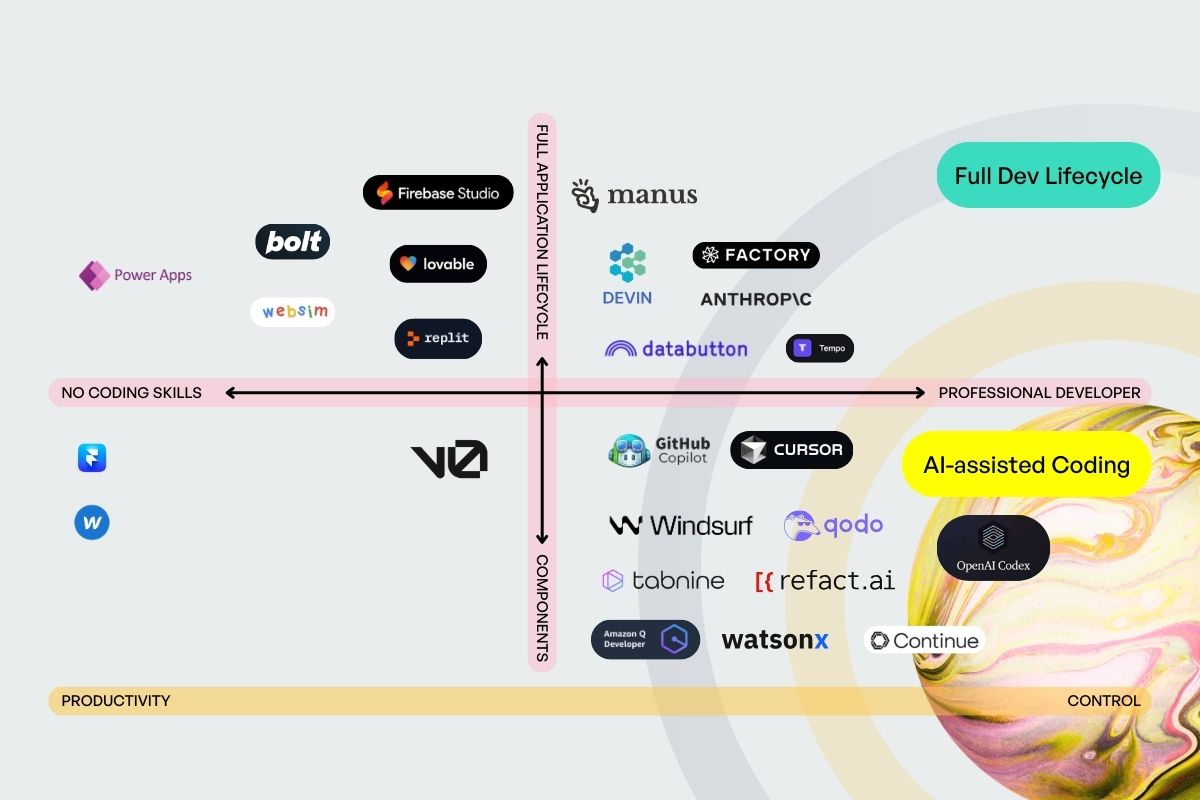
Dal vibe coding all'agentic engineering
Programmare a braccio con l'AI ha lasciato i postumi: codice insicuro, team più lenti. Ora conta guidare gli assistenti AI invece di fidarsi alla cieca.

Come usare l'intelligenza artificiale nel marketing B2B per vendere di più
Cosa sa fare davvero l'AI oggi nel marketing B2B: capire meglio i clienti, prendersi il lavoro di routine, alleggerire il sales. Con casi d'uso concreti.

L'alpinista / Articolo su Swiss IT Reseller
Ritratto su Swiss IT Reseller: perché ho mandato i team di sviluppo sulle Alpi svizzere per sprint di lavoro concentrato.

Strategia dati e CRM per aziende B2B: la guida
Tutti dicono che i dati dei clienti contano, quasi nessuno ha un piano. I tre pilastri che trasformano i tuoi dati in decisioni invece che in archivio.

Come funziona l'iper-personalizzazione nel B2B?
Il tuo sito si adatta in automatico a ogni visitatore: esempi diversi, parole diverse, stesso nucleo. Come funziona nel B2B.

Product marketing e product management: la coppia vincente
Un team costruisce il prodotto, l'altro lo porta ai clienti. Come collaborano decide la tua crescita.

Creare contenuti con l'AI: le macchine scrivono meglio degli umani?
Sui testi informativi l'AI scrive quasi come una persona. Sullo storytelling non basta. Dove aiuta il tuo marketing e dove no.

Come implementare il Customer Relationship Management (CRM) nelle aziende B2B
Senza un sistema per le relazioni con i clienti, i contatti di valore ti scivolano via. Come portare ogni contatto passo dopo passo alla chiusura.
Domande frequenti
Da dove conviene partire con l'AI in un'azienda B2B?
Da un workflow piccolo e misurabile su una base di dati pulita, per esempio ricerca o preparazione. Non dalla grande decisione sulla piattaforma. Un assistente, tre fonti di dati, una regola chiara: è così che impari cosa sa fare l'AI nel tuo lavoro quotidiano.
Perché i tool AI generici deludono così spesso?
Perché manca loro il contesto. Un'AI senza accesso alla conoscenza sui tuoi clienti, al tuo posizionamento e ai tuoi dati può produrre solo genericità. Il valore arriva quando l'AI lavora sul contesto della tua azienda.
L'AI sostituisce i collaboratori nel B2B?
Sostituisce i task, non la responsabilità. Gli assistenti si prendono in modo affidabile ricerca, bozze e manutenzione dei dati. Decisioni, relazioni e controllo qualità restano alle persone. Così team piccoli arrivano all'output di reparti un tempo grandi.
Cos'è un Context Engine?
È il nome che do alla conoscenza di business della tua azienda, raccolta, su cui lavora l'AI: clienti, offerta, posizionamento, tone of voice e risultati passati, organizzati e accessibili. Senza quelle fondamenta un modello tira a indovinare e consegna genericità. Con quelle fondamenta le risposte diventano specifiche per il tuo business.
La regolamentazione è il maggiore ostacolo all'AI nella regione DACH?
No. Nella pratica le iniziative falliscono molto più spesso su leadership e cultura: ownership poco chiara, standard mancanti, paura di perdere il controllo. La protezione dei dati si risolve con dati raccolti in modo pulito e regole chiare. Cambiare le abitudini di un'organizzazione è il lavoro vero.